
Citizen science helps dolphins thrive
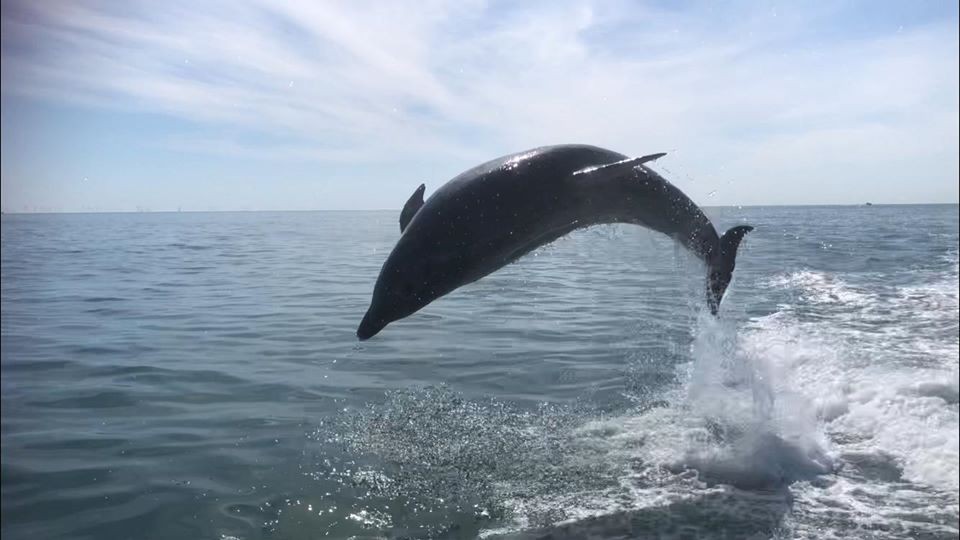 How many dolphins did you see today? Did you know we’ve got populations of iconic megafauna including porpoises, dolphins and whales all along our Sussex coast? To find out more, and how to help them, I went to meet Thea Taylor, Managing Director of the Sussex Dolphin Project.
Thea is passionate for all things cetacean “Marine mammals, dolphins in particular, are incredibly charismatic. They have spectacular behaviour and they’re vital parts of our ecosystem. The Sussex Coastline is underappreciated when it comes to public perception of what’s out there. We want to reconnect people to the sea and encourage them to protect their local wildlife from the many pressures it faces.” she explains.
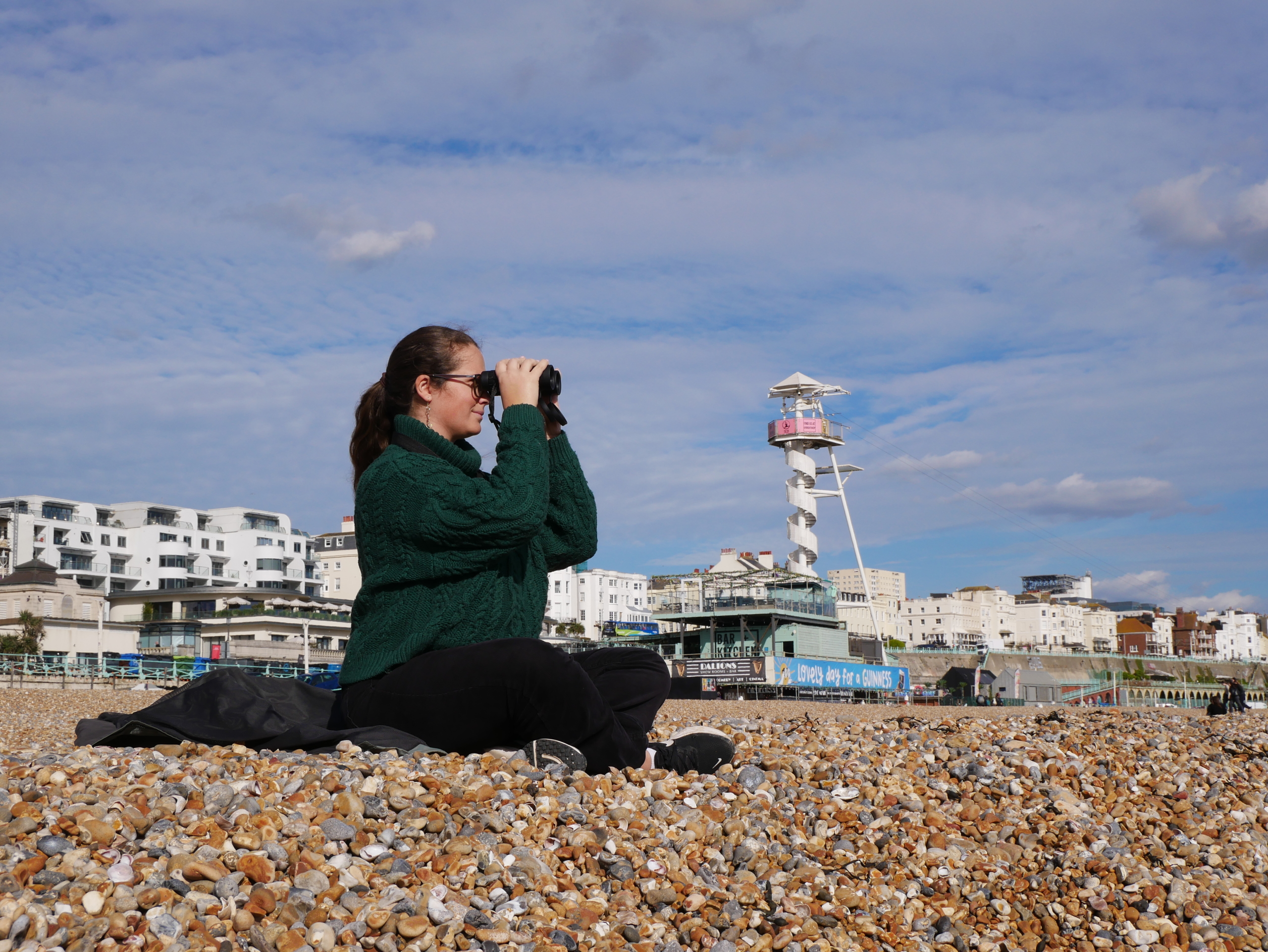
Key to protection is Citizen Science, now one of the leading tools which conservationists use to gain information when resources are stretched. “It’s simple,” explains Thea “if we have no data, it’s impossible to know what we have to conserve.” She is asking for more volunteers to join its Landwatch programme. A community of citizen scientists who visit the coast to record the presence -or absence of marine species in Sussex. And so, I have the privilege of joining a training day for the newest group of volunteers one sunny Easter afternoon on Beachy Head. Thea is our trainer.
Anyone can become a citizen scientist. You don’t need a scientific background. My fellow trainees have come from all walks of life- and all over Sussex and Kent. The main qualities are patience and enthusiasm, as sometimes, like today, these chancy animals don’t always show up. But just an hour a week on any beach is useful as every record, positive or negative, will constitute a valuable data point for the scientists. Plus, there’s no surveying in rough weather, because you won’t see the dolphins anyway. She hands us binoculars – valuable, but the unaided eye has a better field of vision – and data forms, designed to record every useful detail both of the cetaceans and things around them like sea state, weather and of course the movements of boats which can sometimes be a problem to shy species like porpoises.
Happily, the programme is working. “From the data we’ve collected in just 5 years, we’ve provided evidence for the implementation for the IMMA.” (Important Marine Mammal Area) – a new conservation zone which covers most of the Channel. Every observation the volunteers make gets collated into databases which help researchers all around the world. This is crucial because cetaceans are important indicator species “They’re very good at telling us about the health of our ecosystems,” says Thea, “If we don’t see any megafauna we don’t have any fish, basically.”
Sadly, we don’t see any dolphins today, or porpoises, or even the seals which sometimes bask on the rocks near the lighthouse. They are still too few and face many problems. But thanks to the patient work of the Sussex Dolphin Project, we now have some practical ways to help them. And that’s what counts.
By Keir Hartley

 Sussex Green Living
 Alfomedeiros
 Community Wellbeing Garden
 Sussex Green Living