
 Bex Bastable
Why solar has been our best home investment
When we moved into our Sussex new-build a few years back, we knew the bills would be steep. We were a family of four, the cost-of-living crisis was in full swing, and with two young children, the washing machine was never going to get a rest. Nervous about rising costs, we looked into solar and decided to take the plunge.
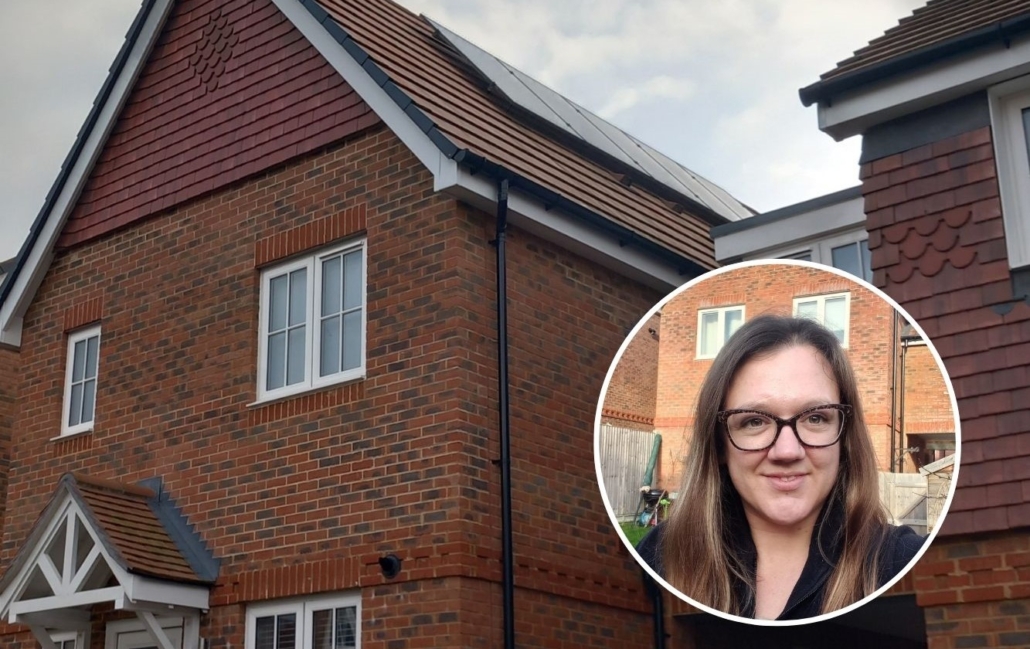
We had a 10-panel system fitted with a battery, so we could store excess energy and use it later. We treated it as an investment and were told it would take around eight years to recoup the cost through savings, but solar also adds roughly two per cent to the value of your home, so in that sense the panels pay for themselves.
The system went live in January 2023. We didn’t see much difference at first, but by April we were exporting more energy than we were buying, and by summer we were producing more than we could ever use. Now I run the washing and do my batch cooking when the sun is out, which has saved us a fortune. Even in winter there are bright days to get some washing done.
Carrie Cort, the founder and CEO of Sussex Green Living, agrees “we had solar put on our home in 2017 by a great Littlehampton company, CC Solar. We love making bread while the sun does shine and trickle charge our EV car off the battery at night, making full use of free energy from the sun.”
The savings we’ve seen have been beyond what we were expecting. In the first year, I spent £441 on electricity, but my energy company paid me £206 for what we sent back to the grid – a net cost of just £235 for the year. Before solar, our annual estimate was around £1,100. That’s almost an 80% saving. Those much-reduced bills have been a lifesaver during the cost-of-living crisis, which has seen so many of our other outgoings – water, groceries, the weekly shop – climb steadily.
In Sussex, we’re lucky to live in one of the sunniest corners of the country. A recent study by Tradefix Direct found that Brighton is the fastest place in the UK to recoup the cost of solar – under five and a half years – with homeowners saving close to £1,120 a year. It’s not just the south coast, either: as installation costs have roughly halved over the past decade and electricity prices have kept climbing, the typical payback period across the country has fallen from around 12 to 15 years to just five to seven.
Reducing our reliance on the grid has taken the stress out of every announcement that prices are rising again. For us, it’s been money very well spent.
By Bex Bastable

 Sussex Green Living
 Alfomedeiros
 Community Wellbeing Garden
 Sussex Green Living
 Pexel
Pexel GS Creative Photography