Sussex Green Living
  • Practical Solutions
  • Get involved
    • Our story & team
    • Schools
    • Businesses
    • Volunteering
    • Fundraising
    • Our vision
  • Sussex Green Hub
  • Horsham Repair Café
  • Events
  • News
  • Contact
  • Donate
  • Click to open the search input field Click to open the search input field Search
  • Menu Menu
  • Link to Facebook
  • Link to Instagram
  • Link to LinkedIn

Nature is Still Sleeping
19 February 2026/in Biodiversity & Nature, Eco News, Sussex Green Hub, Take Action/by Marianne Lindfield

It’s nearly Spring and our natural inclination is to clean up, tidy away and be ready for relaxing in the garden. It seems ‘natural’ to spray weeds and reach for quick-fix garden cleaners — but actually it’s not helpful to Nature! 

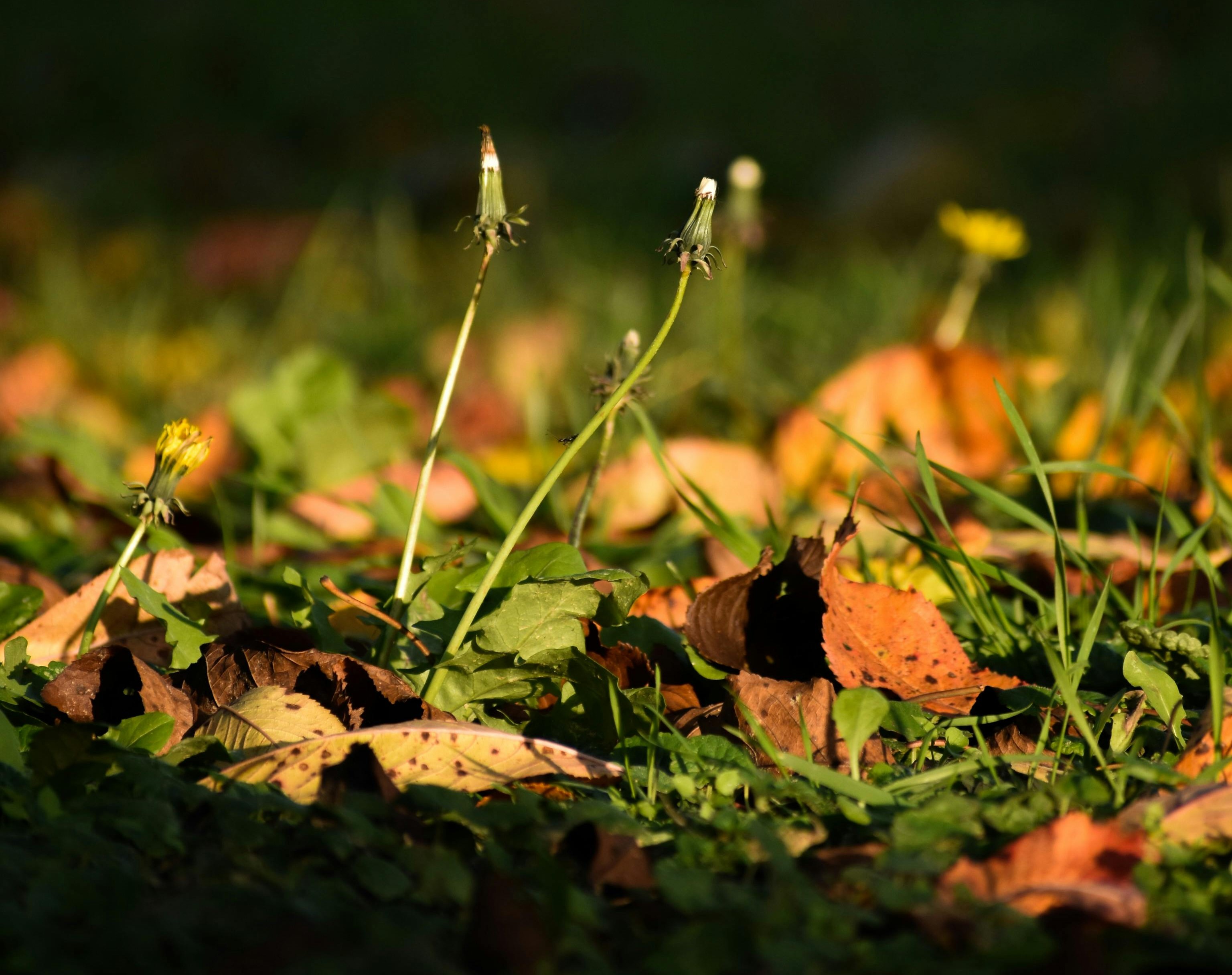
If we think about the hidden life that quietly depends on those fallen leaves, last season’s stems, and the “untidy” parts of our gardens, we begin to realise that what looks like mess to us is lifeline to essential organisms. 

Did you know the UK has over 1,500 pollinator species? Not just bees, wasps, flies, butterflies, moths and beetles that move pollen from flower to flower. Of these, queen bumblebees hibernate over winter and often “sleep in” through February into March, emerging to seek nectar from early bloomers like crocus. Some solitary bees and early honeybees may also awaken on warm winter days, but most pollinators are still dormant until early spring. 

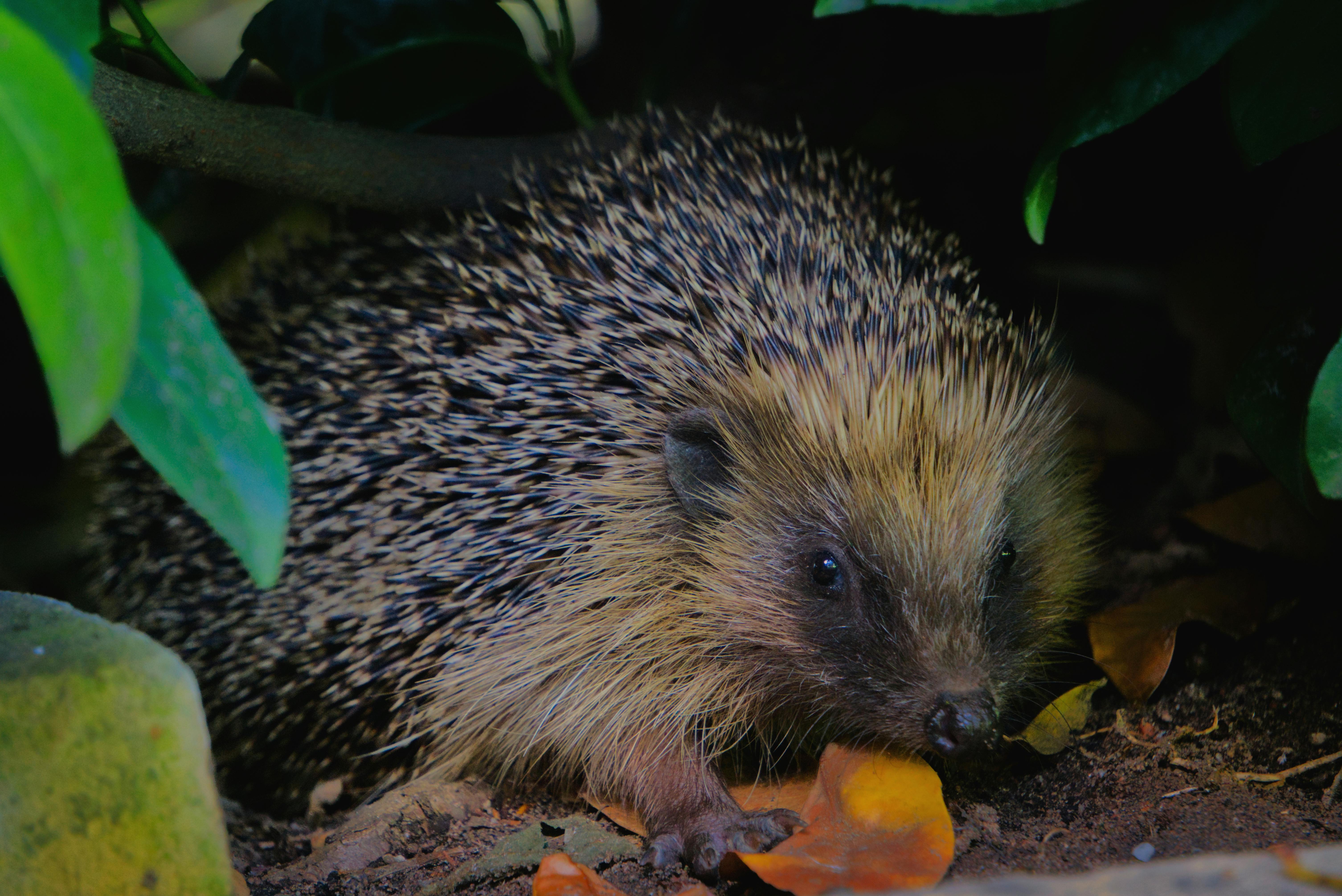
Natural debris — leaves, twigs, seed heads — isn’t waste. It acts as habitat, food, insulation, and a nursery for wildlife through the harsh months. Beneath a layer of leaves, insects find shelter from frost, small mammals forage and nest, and bumblebee queens burrow for winter survival. Many moth and butterfly species rely on leaf litter to complete key stages of their life cycle, and birds return in spring to feed on those insects that overwintered safely because we didn’t clear their homes.  

Those leaves and other natural detritus also play a vital role in creating healthy soil. They decompose, feed essential microbes and fungi that keep soil fertile, structure intact, and moisture balanced, reducing the need for synthetic fertilizers or irrigation. You probably know that leaf litter acts as a free, natural mulch that protects plant roots from temperature extremes in winter and suppresses weeds. 

Using toxic weed killers and pesticides doesn’t just kill unwanted plants, they can harm beneficial organisms, pollinators, disrupt soil life, making their way into water systems, threatening aquatic life and reducing biodiversity.  Weedkiller chemicals like glyphosate can persist in soil, kill microbes that are essential for healthy plants growth and impact the Sussex wildlife that depends on a rich, living soil ecosystem. Medical research shows that many of these ‘everyday’ garden-go-to products have been linked to cancer, heart, respiratory and neurological diseases. It makes you wonder how they can be allowed to be sold. 

We don’t have to live in chaos. Thoughtful management — leaving leaves where they benefit wildlife, piling them under hedges, or at the back of borders, and avoiding chemical sprays — helps our gardens stay vibrant and resilient through the year, even through rough weather. 

Letting nature take its course, at least for a season, is not laziness. It’s about care, and respect for the web of life that connects our green spaces with the wider environment. It’s a more peaceful way to watch Spring arrive with a chorus of life that would otherwise struggle without the quiet shelter we gave it. Living in harmony with nature brings a sense of calm and happiness and it seems we all need that today.

First published in West Sussex County Times: Sussex Green Living: Nature is still sleeping

For more tips on untidy gardens read our previous article: https://www.sussexgreenliving.org.uk/delay-your-big-garden-tidy-up-nature-needs-the-mess/

By Elle Runton

Share this entry
  • Share on Facebook
  • Share on X
  • Share on WhatsApp
  • Share on Pinterest
  • Share on LinkedIn
  • Share on Tumblr
  • Share on Reddit
  • Share by Mail
https://www.sussexgreenliving.org.uk/wp-content/uploads/2026/08/nature-asleep-3.jpg 0 0 Marianne Lindfield https://www.sussexgreenliving.org.uk/wp-content/uploads/2026/07/SGL-logo-masthead.png Marianne Lindfield2026-02-19 09:58:072026-08-03 15:21:05Nature is Still Sleeping

Recent Blog Posts

  • People’s Emergency Briefing film 9 July 2026
  • Ready to make a world of difference?  9 July 2026
  • Citizen science helps dolphins thrive 23 June 2026
  • Communities and Churches Unite Around Climate Emergency Film 14 May 2026
  • A Pop-up with Purpose: Community Collaboration Brings Wellbeing & Sustainability To Horsham 5 May 2026

Search

Search Search

Blog Post Archive

Tag Cloud

beach clean bees biodiversity Cape of Good Hopes Cape of Hopes carbon climate change Community Event Community Project Crafting energy saving flowers food waste gardening green business network green thing grow-your-own homegrowing Horsham Eco Churches nature peat peat-free compost PES pollinators press_release Recycling refill refuse renature repair cafe reuse rubbish seed swap sheep spring sussex green hub sussex green living sussexgreenliving Sustainable Living United Reformed Church vegetables Wildflowers wildlife wildlife conservation wool

Sussex Green Living

The White House
Coolham Lane
Coneyhurst
RH14 9DH

Message Us

Latest Posts

  • People’s Emergency Briefing film9 July 2026 - 17:21
  • SGH Team
    Ready to make a world of difference? 9 July 2026 - 17:12
  • Citizen science helps dolphins thrive23 June 2026 - 14:32
  • Communities and Churches Unite Around Climate Emergency Film14 May 2026 - 11:08

e-Newsletter Sign-up

Get every post & our e-news to your inbox.

Subscribe Here

Search

Search Search
© Copyright - Sussex Green Living 2026 | Charity No. 1189569
  • Link to Facebook
  • Link to Instagram
  • Link to LinkedIn
Link to: Delay your big garden tidy-up: Nature needs the mess  Link to: Delay your big garden tidy-up: Nature needs the mess  Delay your big garden tidy-up: Nature needs the mess  Link to: How can we not have enough water when it rains all the time? Link to: How can we not have enough water when it rains all the time? How can we not have enough water when it rains all the time?
Scroll to top Scroll to top Scroll to top

This site uses cookies. By continuing to browse the site, you are agreeing to our use of cookies.

OKLearn more×

Cookie and Privacy Settings


How we use cookies

We may request cookies to be set on your device. We use cookies to let us know when you visit our websites, how you interact with us, to enrich your user experience, and to customize your relationship with our website.

Click on the different category headings to find out more. You can also change some of your preferences. Note that blocking some types of cookies may impact your experience on our websites and the services we are able to offer.

Essential Website Cookies

These cookies are strictly necessary to provide you with services available through our website and to use some of its features.

Because these cookies are strictly necessary to deliver the website, refusing them will have impact how our site functions. You always can block or delete cookies by changing your browser settings and force blocking all cookies on this website. But this will always prompt you to accept/refuse cookies when revisiting our site.

We fully respect if you want to refuse cookies but to avoid asking you again and again kindly allow us to store a cookie for that. You are free to opt out any time or opt in for other cookies to get a better experience. If you refuse cookies we will remove all set cookies in our domain.

We provide you with a list of stored cookies on your computer in our domain so you can check what we stored. Due to security reasons we are not able to show or modify cookies from other domains. You can check these in your browser security settings.

Other external services

We also use different external services like Google Webfonts, Google Maps, and external Video providers. Since these providers may collect personal data like your IP address we allow you to block them here. Please be aware that this might heavily reduce the functionality and appearance of our site. Changes will take effect once you reload the page.

Google Webfont Settings:

Google Map Settings:

Google reCaptcha Settings:

Vimeo and Youtube video embeds:

Privacy Policy

You can read about our cookies and privacy settings in detail on our Privacy Policy Page.

Privacy Policy
Accept settingsHide notification only