Donations set to double in national campaign
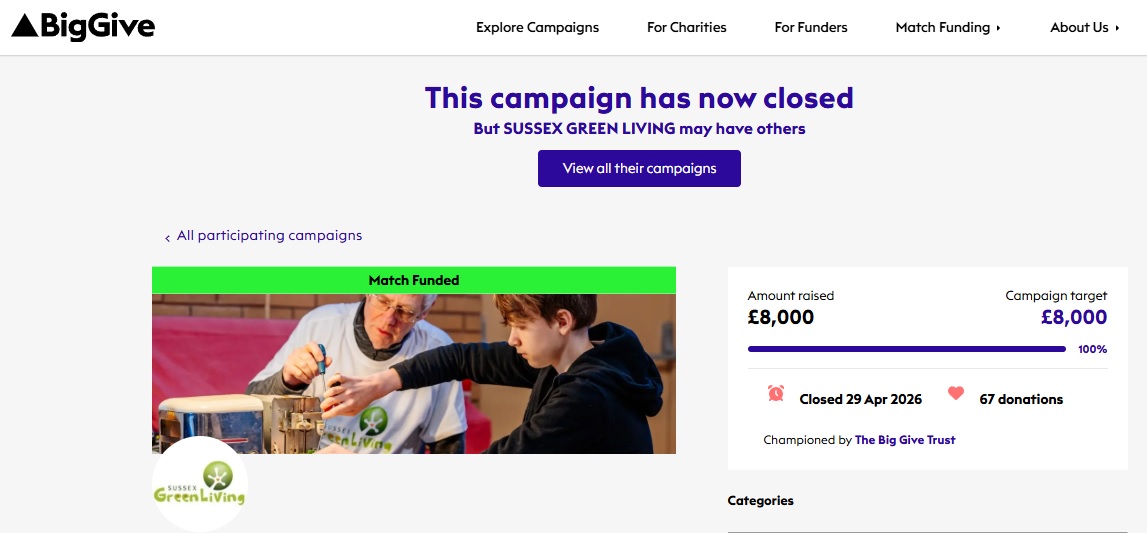
Following a competitive application process, Sussex Green Living has been selected to take part in the Big Give Earth Raise—a national match-funding campaign launching on Earth Day 22 April. Read more
We all want a world where our climate is stable, nature thrives, and where all people have health, happiness, and prosperity – it’s our human right, right?
Unless we change things, we are on track to breach the 1.5°C temperature increase limit set by the Paris Agreement by 2030. The breach risks irreversible environmental degradation and runaway climate change that will affect all our societies and economies.
An essential ally against the climate crisis is nature. We are losing nature at an alarming and unprecedented rate.
If you want to make some changes at home to protect nature, boosting the biodiversity in your garden or outdoor space is a great place to start.
Biodiversity and climate are inextricably linked, you can’t fix one without the other. Help wildlife to thrive in your garden.
Following a competitive application process, Sussex Green Living has been selected to take part in the Big Give Earth Raise—a national match-funding campaign launching on Earth Day 22 April. Read more
By Carrie Cort
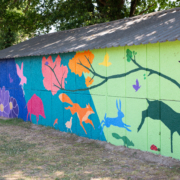
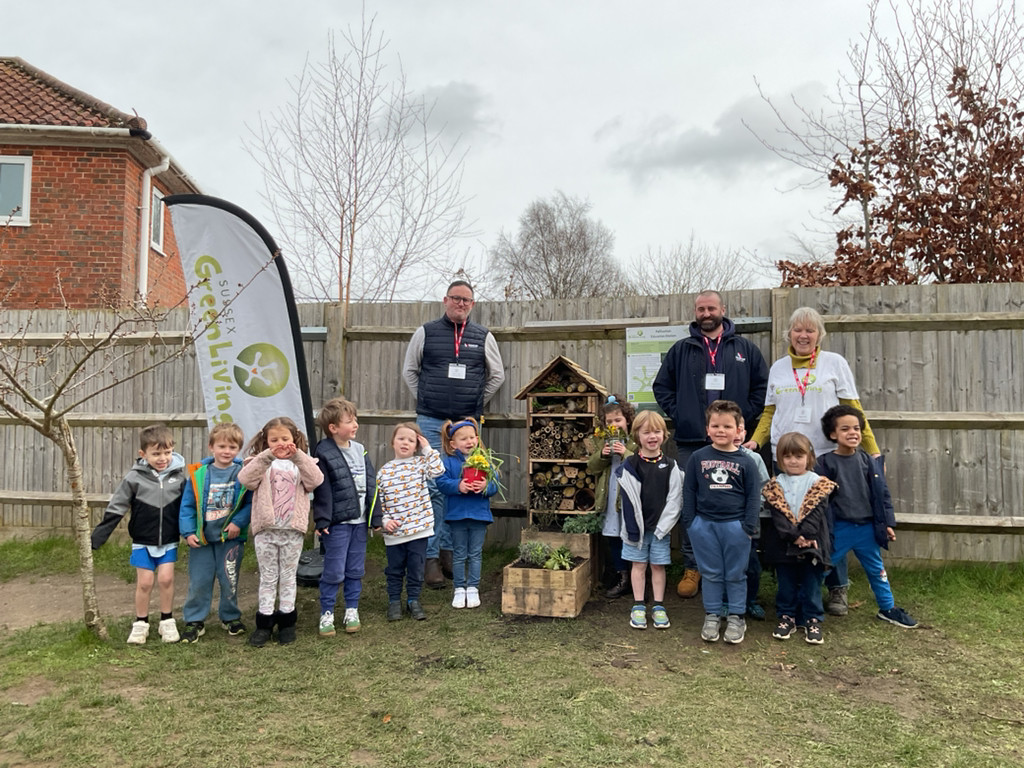
As part of their action for World Climate Day on 23rd March, Sussex Green Living partnered in a brand-new way with local business to extend regional nature recovery efforts. Last week proved to be a very exciting time for Thakeham Primary School, as pupils became the proud recipients of a brand-new outdoor learning area thanks to a collaboration between Sussex Green Living, local business Mountjoy, and a network of community partners working together for nature. Read more
By Elle Runton
It’s nearly Spring and our natural inclination is to clean up, tidy away and be ready for relaxing in the garden. It seems ‘natural’ to spray weeds and reach for quick-fix garden cleaners — but actually it’s not helpful to Nature!
If we think about the hidden life that quietly depends on those fallen leaves, last season’s stems, and the “untidy” parts of our gardens, we begin to realise that what looks like mess to us is lifeline to essential organisms. Read more
Nature is still sleeping, so the best thing you can do is sit back and relax. Delay your spring garden clean-up until temperatures are consistently above 10°C for at least a week—often late April or when apple trees bloom. Top tips for an untidy garden and its benefits: Read more
By Annie Button
The stunning Sussex coastline and rolling downs provide a unique setting for the region’s golf courses. As environmental awareness grows and climate challenges intensify, these courses recognise that sustainability is essential for their future.
Sussex is an environmentally sensitive region, with unique coastal ecosystems, ancient woodlands, and Areas of Outstanding Natural Beauty. Careful stewardship is essential to maintain the county’s biodiversity, particularly as many courses operate within landscapes of national significance. Read more
Written by Keir Hartley
“The most effective way to save the threatened and decimated natural world is to cause people to fall in love with it again-with its beauty and its reality” This was the vision of Sir Peter Scott, the tireless broadcaster and naturalist who established the Wildfowl and Wetlands Trust. We visited the WWT’s Arundel Wetland Centre in the year of its 50th anniversary, the WWT’s 80th, just before World Wetlands Day on 2 February, to investigate his legacy. Read more
Written by Tony Whitbread President of Sussex Wildlife Trust. February is a pivotal month for the UK’s garden birds. As winter tightens its grip and natural food sources run low, feathered visitors depend more than ever on the habitats and help we provide. And while the joy of watching birds brighten our gardens remains undiminished, […]
Small but Mighty: Our Charity’s Ripple Effect Across Sussex in 2025 2025 was truly a bumper year for our small but mighty charity, one that has created powerful ripples of positive change across East and West Sussex. Guided by our three pillars – conserving resources, making food sustainable and restoring biodiversity – we’ve shown what […]
On 27 November 2025, Central Hall Westminster, London, was buzzing with an invite-only audience of around 1,250 politicians, scientists and leaders from business, culture, faith, sport and the media. Also in attendance were familiar faces like Chris Packham, Deborah Meaden, Jennifer Saunders, Mark Rylance, Brian Eno, Roger Harrabin and four of the Sussex Green Living […]
24 May – 1 June 2025
www.childrensgardeningweek.co.uk
www.plantlife.org.uk/campaigns/nomowmay
by Marianne Lindfield – Climate Action Engagement Officer, SGL
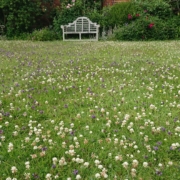
Children’s Gardening Week arrives as May gives way to June, when the garden has found its stride and everything is stretching into summer. It often falls during half term, which makes it the perfect time to step outside and share the garden with the children in our lives. For those taking part in No Mow May, this is when the garden starts to look wilder, the grasses taller, and flowers that were once called weeds begin to feel like gifts. Buttercups, oxeye daisies and self-heal creep through the lawn, and the air starts to hum with insect life again.
It is a moment for noticing. Children are naturally tuned into the small things we often overlook. A curled leaf can hold a hidden insect, and a dandelion seedhead might spark a whole conversation. Being in the garden together does not need to be structured. A slow walk, time spent watching one flower, or simply lying on the grass and listening can lead to all sorts of shared discoveries.
One year, I raised caterpillars with my children. We watched them feed and grow in a netted enclosure, and we made sure the right plants were growing in the garden before we let them go. That small project opened up much more than I expected. The children began asking questions not just about butterflies, but about the plants they needed and how they linked with the others in the garden. It helped them understand that everything is connected, that what we grow, what we leave, and what we choose to remove all have consequences. Read more
by Daisy Day, Master Beekeeper
In Britain there are around 250 different species of bees. A few of these are social insects living in large organised communities such as bumblebees and of course honeybees. All bees feed on nectar for energy and feed their larvae on pollen for protein, both collected from flowers.
Pollination is a vital part of how plants reproduce. Crops and wildflowers rely on insects like bees to transfer pollen, helping them set seed and grow the next generation. A large proportion of our food depends on this process. Apples, raspberries and peas all benefit from insect pollination. Without pollinators yields would be lower and we would lose much of the variety in our diets. Read more
by Elle Runton. Deputy Trustee Sussex Green Living.

Learn more about soil health and thriving gardens https://www.instagram.com/julietsargeant/
It would be fair to say I’m not yet a gardener. My grandfather had a smallholding, and my uncle just lays his thumb on a plant leaf and it blossoms at his touch, but I’m embarking on a learning journey—with some success. My local Sussex nursery-bought raspberry bush yields fruit for months every year without fail (possibly thanks to its daily cup of used coffee grounds), and my blackberries are sweet and plump under the Sussex sun. I haven’t needed to buy any of those so-called superfoods—just pop along to the fruit bed and help myself free of charge!
When exploring how to get more from your veg patch, I discovered the importance of soil health. Most of us probably wish for a garden that’s easy to care for, beautiful and beneficial to the environment. According to Juliet Sargeant, presenter of BBC Gardeners’ Question Time, it all starts with the earth. Speaking at the recent Sussex Green Living “Plant to Plate” Festival in Horsham, Juliet explained that soil is not just dirt: it’s a living, breathing ecosystem filled with microbes and earthworms that break down organic material and release nutrients. When we use synthetic fertilisers and pesticides, we harm the delicate balance of nature that supports healthy plant growth.

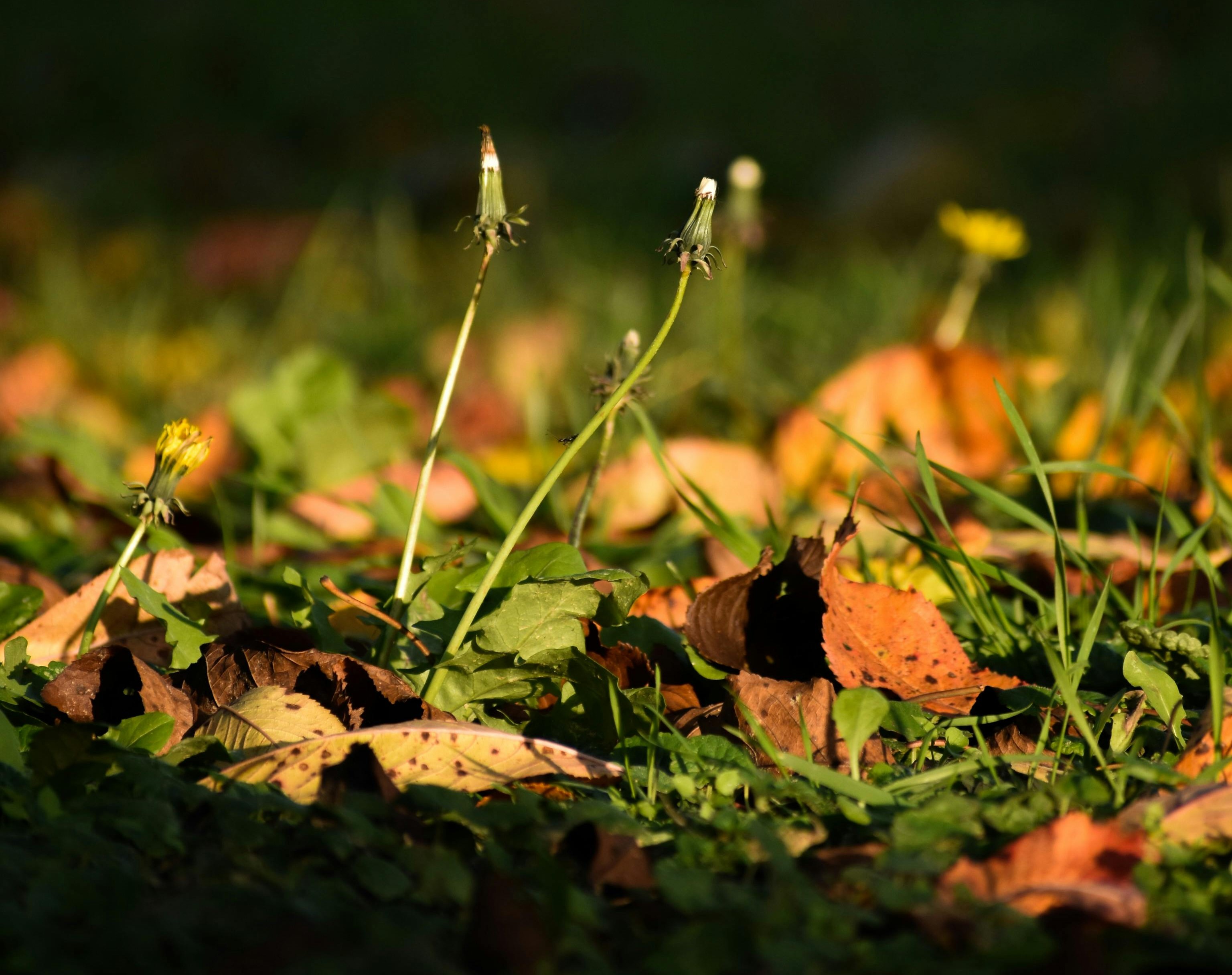
Wild garden edge photographed on 30 April in Sussex. Early flowering plants like dandelions and meadow cress are already supporting pollinators.
Written by Marianne Lindfield
Living with the land and recognising that even our gardens are part of it has been part of my thinking for a long time. As a permaculturalist observing patterns, valuing edges and letting nature lead is not new but each year the practice becomes more visible.
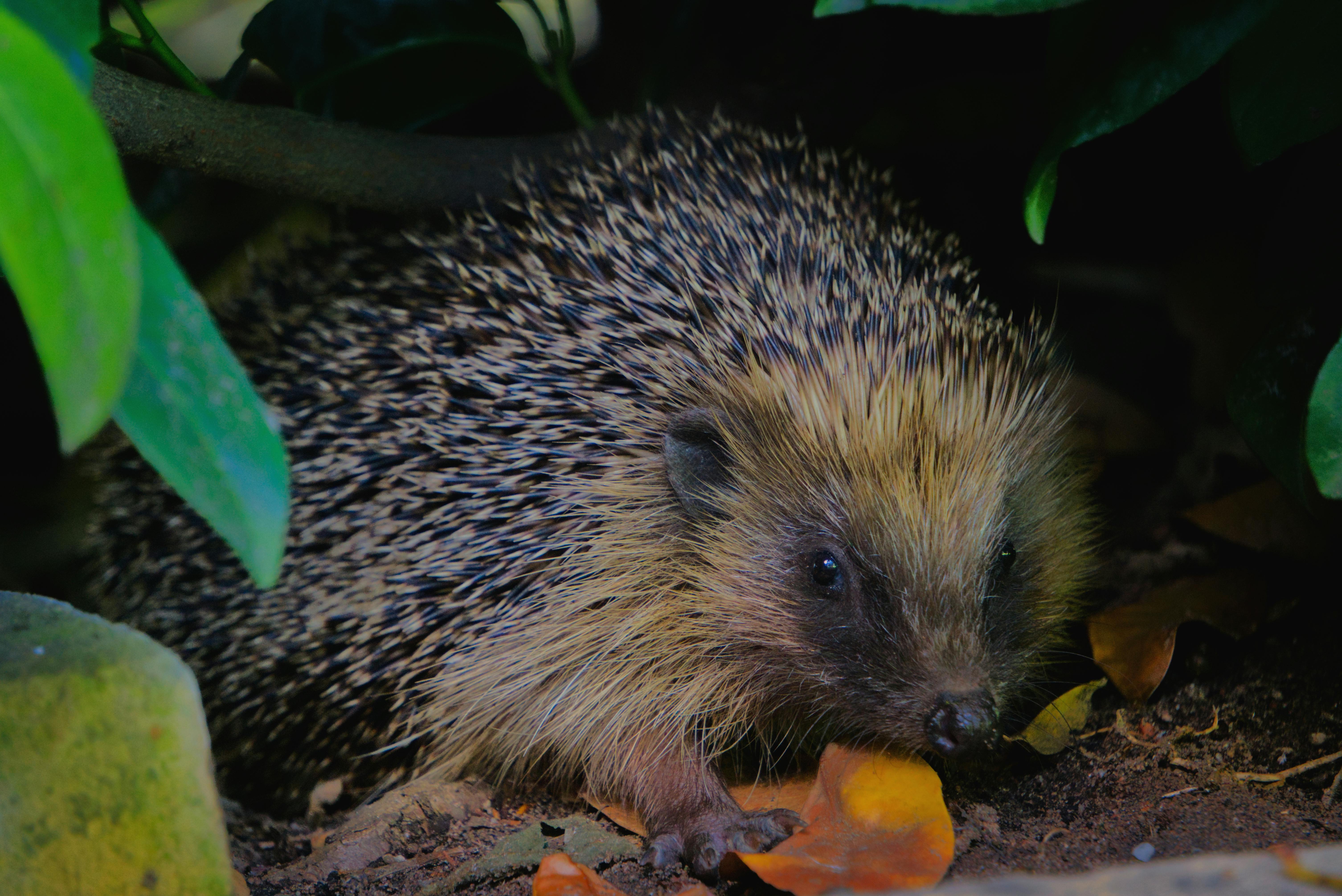
This spring has brought a series of small yet significant encounters. I saw my first slowworm weaving through the warm grass at the back of the garden. Newts drift like tiny dragons through the pond and most evenings I find myself drawn outside just to watch them. One night when I could not sleep I went out to look at the stars and found a hedgehog ambling past. These are the moments that stay with me and remind me that the garden is not just mine.
Press release – PLANT TO PLATE FESTIVAL – brought to you by Sussex Green LivingGrowing together – Food – Fun – Family – Free
From 10am-4pm on Saturday 26th April, Horsham will come alive to celebrate green living in Sussex – perfect for mums, dads, and little ones alike. It’s a day packed with local food, expert talks and eco-friendly fun that will inspire you and your family to live more sustainably. Spread across four unique venues in central Horsham, come along for a day of free goodies, family-friendly activities, and caring community vibes at the Plant to Plate Festival!
At the Sussex Green Hub, in the United Reformed Church, you will find advice and simple energy-saving hacks to reduce utility bills, our popular Horsham Repair Café who might help you fix that zip, clock or kettle. There will be free food stalls at the Horsham Community Fridge, our Refill Shop to top up on all of the essentials, and don’t forget to treat yourself to one of the Sussex food or drink artisan delights – of course all in line with reducing waste.
At the Unitarian Church Hall and gardens, green thumbs can get hands-on gardening tips from the experts with activities like ‘take it away’ seedlings, books and goodie stall and ways to reduce your food waste. There’s also the chance to get your hands dirty with composting and wildlife-friendly gardening advice and nature activities for the kids.
The Quaker Meeting House will play host to an array of expert talks and demonstrations, including how to avoid that problematic packaging that just can’t be recycled and ideas on how to cook tasty healthy meals that can reduce your impact on the planet.
Stop off at the Bishopric Market on your way between the venues, hosting fresh fruit, veggies, plants, and even retro pre-loved treasures for your home. Enjoy live music, meet warm-hearted community volunteers, and explore the vibrant eco float that’s been creatively refurbished to lighten our carbon footprint.
Whether you’re already deeply passionate about taking care of our planet or just starting out, the Plant to Plate Festival has something for everyone. Bring your family and friends, learn new ways to live more sustainably, and join us in building a brighter, greener future for Sussex – one plate and one plant at a time!
Mark your calendars – we can’t wait to see you there!
Residents in Arundel and South Downs are calling on local MP Andrew Griffith to vote for a landmark piece of environmental legislation at its second reading on 24 January 2025. Members of Greening Steyning, Sussex Green Living, and South East Climate Alliance gathered this weekend for a photo opp to raise awareness about the Climate and Nature Bill (or “CAN” Bill).
If made law the CAN Bill would ensure that the UK has a joined up, science-led and people-powered plan to tackle climate change and nature loss, together. It is currently supported by 187 MPs, 372 local councils, 1,000 organisations, and over 1,200 leading UK climate and nature scientists.
The CAN Bill is being championed by Dr Roz Savage MP (Lib Dems), a longtime environmental campaigner and world record breaking solo ocean rower. She is supported by 11 co-sponsors from Labour, Conservatives, Lib Dems, Greens, Plaid Cymru, and SNP. Read more
Getting Sussex Buzzing again!Sussex is really buzzing in 2024 thanks to exciting new collaborations between Sussex Green Living and local businesses: a new way of combining practical solutions to current and future environmental issues with community outreach, fundraising and business wellbeing. The Pollination Education Stations and Green Business Network have been developed in collaboration with Billingshurst based agency PMW Communications as part of their generous gift of pro bono work with 30 local charities to celebrate their 30 years in business.
One week after Sussex Green Living launched these new endeavours at the Sussex Green Hub, the first Pollination Education Station (PES) has been installed. Horsham based business, Envitia Ltd, a digital and data services company based in Horsham, will focus on one charity each quarter and on Monday 4th March, as part of their fundraising and collaboration with Sussex Green Living, they set up their Pollination Education Station, a haven for pollinators, with a community herb bed and an information board.
From the Path to the Shop: Natural community food production. With all the worry about climate change and food production, it feels important to get to know one another to develop good practices for improving soil fertility and the production of local organic food. Read more

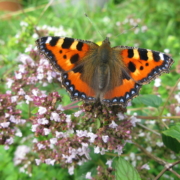
The UK’s flying insects have declined by 60% in 20 years. The decline in insects affects all the major groups, not just flying and in the next few decades, as many as 40% of the world’s species could become extinct, including bees, ants and butterflies. Clive Cobie asks the question, ‘”is change in the air?”
We are all aware of the urgent need to protect our nature which has been depleting at a rapid rate. If you want to make some changes at home to protect nature, boosting the biodiversity in your garden or outdoor space is a great place to start.
Biodiversity and climate are inextricably linked, you can’t fix one without the other. There are lots of things you can do to help wildlife to thrive that don’t cost a lot but can help nature and create a lovely space for you to watch and experience all the life in your garden.
We all want a world where our climate is stable, nature thrives, and where all people have health, happiness, and prosperity – it’s our human right, right?
Unless we change things, we are on track to breach the 1.5°C temperature increase limit set by the Paris Agreement by 2030. The breach risks irreversible environmental degradation and runaway climate change that will affect all our societies and economies.
An essential ally against the climate crisis is nature. We are losing nature at an alarming and unprecedented rate. For anyone who has been watching David Attenborough’s latest BBC programme, Wild Isles, you will know that Britain is one of the most nature-depleted countries in the world.

It was the first experience I’ve had of using a retort kiln. Normally I use a ring type.
The ice crystals were glistening on the metal door as I pulled hard. It creaked with resistance as the morning sun shone upon what was left of the wood. It had been reduced by half through a process called pyrolysis, (heating wood in the absence of oxygen). The fire turns volatile oils into gases which heat the wood.
I always love that first encounter when I open a kiln, picking up a handful of charcoal and dropping it gently; listening to the tinkle as pure carbon cascades down while sunlight and left over heat create peacock blues or rainbow patterns over the blackness.
As a child, I never understood the saying, “It’s an ill wind indeed that blows no good,” but I recently realised that’s what’s happening now.
I went to buy a thermal T-shirt, my current one sadly threadbare, but there were none to be had. The assistant told me they had ‘overperformed’, because fuel prices are high and people are dressing up warmly at home rather than putting the heating on. Result! I know people who, when working on the computer at home, take a break for a few minutes and go for a run, simply to warm up. Loved ones are switching off the TV earlier than their usual habit and instead snuggling up in bed with a good book. Result! People are jumping on their bikes or walking rather than taking the car for short journeys, and we’re driving more carefully because the roads are full of potholes. Result!
2023 is the tenth anniversary of Veganuary, a month during which people don’t fast entirely, but simply commit to just eating plants.
The vegan organisation GenV was started by Matthew Glover who also came up with the increasingly popular idea of Veganuary. GenV doesn’t take donations from the public but has a number of celebrity supporters, notably Joanna Lumley and Paul McCartney whose wife Linda famously pioneered the vegetarian food market in the UK. GenV currently has a poster campaign in Westminster to encourage MPs to consider more compassion in farming as currently almost three-quarters of the animals we grow here for eating are actually confined in factory farms. An anonymous donor gave them a million pounds for this London poster campaign.
In contrast to GenV hoping to persuade the government to legislate, the Vegan Land Movement are making changes out in the fields. A Horsham friend explained to me that this community interest company has several goals, one of which is to reverse the incredible biodiversity loss in the UK. It raises money through its public Crowdfunding website and has just been able to buy its fourth plot of land in an already polluted area. The Government Food Report says, “Domestic production faces a number of risks, including soil degradation, drought and flooding.” Last year the Vegan Land Movement helped mitigate this by planting hundreds of native trees including willow, maple, wild cherry, oak and birch to help restore the soils and therefore the wildlife.
Some larger land owners are paid to re-wild parts of their land, but sadly there are no checks in place to see if this actually occurs. Would it be better for us to support our small organic farmers instead and crunch on local carrots, caulis and cabbages?
Naomi Hallum, the chief executive of GenV, explains that millions of acres could be freed up for nature corridors as although over 70% of UK land area is used for agriculture, the majority of it is grassland for grazing rather than crops. Because plants grow quickly, we would only need about 16% of this land to grow our food if we became plant-based eaters. The UK has lost more of its wildlife than most countries, (we’re now in the worst 10%) and the main reason for this is land use change from wild land to fields.
So enjoy your veg to do your bit for the planet this month! To find out more about Veganuary or trying some vegan recipes, go to https://veganuary.com/
By Morag Warrack

Did anyone see the coverage of the Earthshot awards presented by the Prince of Wales in Boston earlier this month? They were awards given to organisations, companies or cities recognised as making a significant contribution to dealing with climate change, reviving our oceans, and other similar objectives. You can watch the whole ceremony on BBC iPlayer Earthshot Prize.
The winner in the Building a Waste-Free World category was a London based company founded in 2014 called Notpla (i.e. not plastic!) They have come up with a unique product made from seaweed – or kelp (to use the more scientific term employed by Sussex Wildlife Trust and local universities involved in the Sussex Kelp Restoration Project).
Cookies: By continuing to browse the site, you are agreeing to our use of cookies.
Learn more
Get every post & our e-news to your inbox.
This site uses cookies. By continuing to browse the site, you are agreeing to our use of cookies.
OKLearn moreWe may request cookies to be set on your device. We use cookies to let us know when you visit our websites, how you interact with us, to enrich your user experience, and to customize your relationship with our website.
Click on the different category headings to find out more. You can also change some of your preferences. Note that blocking some types of cookies may impact your experience on our websites and the services we are able to offer.
These cookies are strictly necessary to provide you with services available through our website and to use some of its features.
Because these cookies are strictly necessary to deliver the website, refusing them will have impact how our site functions. You always can block or delete cookies by changing your browser settings and force blocking all cookies on this website. But this will always prompt you to accept/refuse cookies when revisiting our site.
We fully respect if you want to refuse cookies but to avoid asking you again and again kindly allow us to store a cookie for that. You are free to opt out any time or opt in for other cookies to get a better experience. If you refuse cookies we will remove all set cookies in our domain.
We provide you with a list of stored cookies on your computer in our domain so you can check what we stored. Due to security reasons we are not able to show or modify cookies from other domains. You can check these in your browser security settings.
We also use different external services like Google Webfonts, Google Maps, and external Video providers. Since these providers may collect personal data like your IP address we allow you to block them here. Please be aware that this might heavily reduce the functionality and appearance of our site. Changes will take effect once you reload the page.
Google Webfont Settings:
Google Map Settings:
Google reCaptcha Settings:
Vimeo and Youtube video embeds:
You can read about our cookies and privacy settings in detail on our Privacy Policy Page.
Privacy Policy