
 Alfomedeiros
Do More by Doing Less in your garden this Winter
We used to find comfort in a tidy garden, but for many people that has changed. As summer fades they no longer reach for the rake, secateurs and garden bags. They know that leaving the garden alone is not neglect, it is good sense.
What we used to view as untidy, we now know is often a winter lifeline for Sussex wildlife. Fallen leaves provide shelter for beetles, spiders and other invertebrates. The insects sheltering among autumn debris are part of the intricate web that keeps nature’s food systems thriving, providing food for birds and other wildlife, while the survivors of winter will return to pollinate flowers when the growing season begins again. By removing all the detritus, we may unknowingly remove their homes, and lives, too.
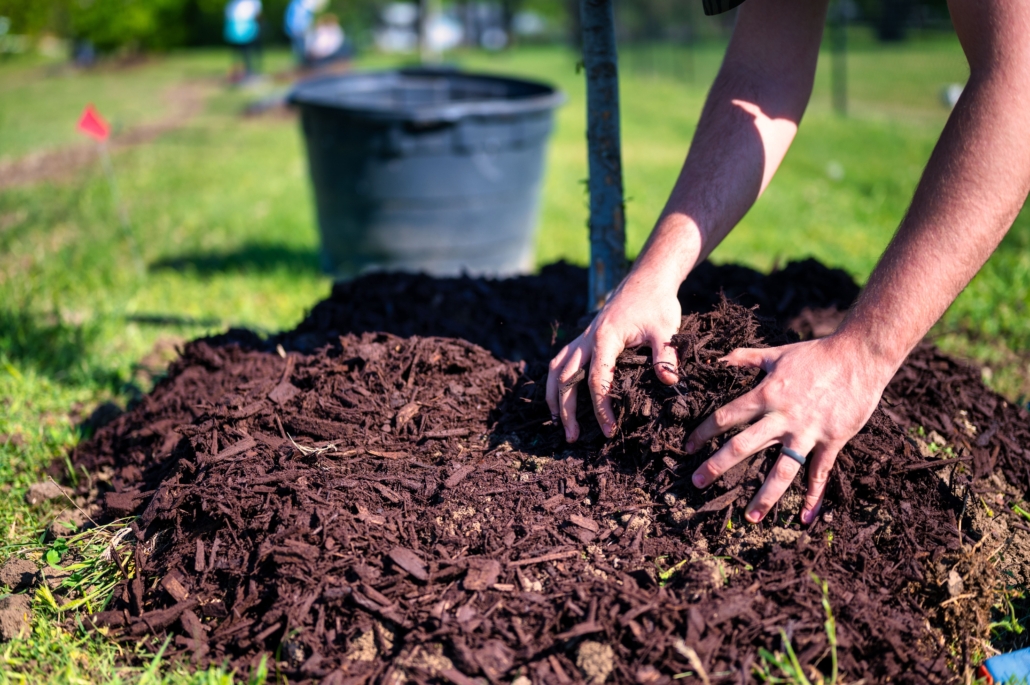
There is a financial argument too. The more our gardens can recycle their own resources, the less we need to buy. Fallen leaves become free compost. Pruned branches chipped for mulch. Healthy soil can reduce dependency on costly fertilisers, and in drier periods reduce the amount of watering. Even the cost of taking garden waste away can be reduced.
This winter is forecast to be increasingly unpredictable. We may experience torrential rain followed by flooding, fierce winds, and sudden cold snaps. A garden with living roots, healthy soil and plenty of organic matter is better equipped to absorb and withstand these extremes than one left bare and heavily disturbed.
However, we should not abandon the maintenance entirely. Clear paths and drains, remove anything genuinely hazardous and compost what you can.
Three things Sussex residents can do:
- Leave the leaf litter and dead stems
Resist the urge to clear every fallen leaf or cut everything back. Leaf litter provides insulation and shelter for beetles, spiders, worms and other invertebrates, hollow and dead plant stems provide winter quarters for solitary bees and other insects and provides cover for the countless small organisms living in and around the soil. Stack leaves under hedgerows, in areas that can be undisturbed until late spring. During heavy rain, organic matter helps protect the soil surface and supports its ability to absorb and retain water. - Create a sheltered wildlife corner
Make a simple refuge from logs, branches, stones and piles of leaves. A small log pile tucked into a quiet corner can shelter insects, frogs, toads and other garden wildlife from freezing temperatures, winter storms. Avoid moving established piles once wildlife has moved in. - Give birds natural food and protection
Leave seed heads standing on plants such as teasel and sunflowers, which can provide food when natural supplies are scarce. Supplement these with appropriate bird food, particularly during prolonged cold weather. Dense shrubs, hedges and climbers give birds somewhere to escape icy winds and predators. Put out a shallow dish of clean water and check it regularly. During frosts, gently break the ice – do not use salt or antifreeze, both of which can harm wildlife. Position water somewhere sheltered but where animals can see approaching predators.
The guiding principle is simple: do less but do it thoughtfully. A slightly untidy garden can become a refuge. What looks like detritus to us may be the difference between survival and exhaustion for a small Sussex creature waiting for spring.
By Elle Runton
Leave dead plants for wildlife

 Sussex Green Living
 Alfomedeiros
 Community Wellbeing Garden
 Sussex Green Living
 Community Wellbeing Garden
 Sussex Green Living