
 Sussex Green Living
Students Put Repair and Sustainability into Practice
What if, before replacing something that stops working, we asked: Can it be repaired?
Repair does not have to mean being an expert with a toolbox. It can mean finding out whether something can be fixed before buying a replacement, learning a simple skill, asking someone with experience for help or visiting a local Repair Café.
Sussex is fortunate to have a community of volunteers making this possible. Sussex Green Living launched West Sussex’s first Repair Café in Horsham in 2017 and has supported the development of many others. There are now 19 in West Sussex bring people together to share practical knowledge and give broken household items another chance.
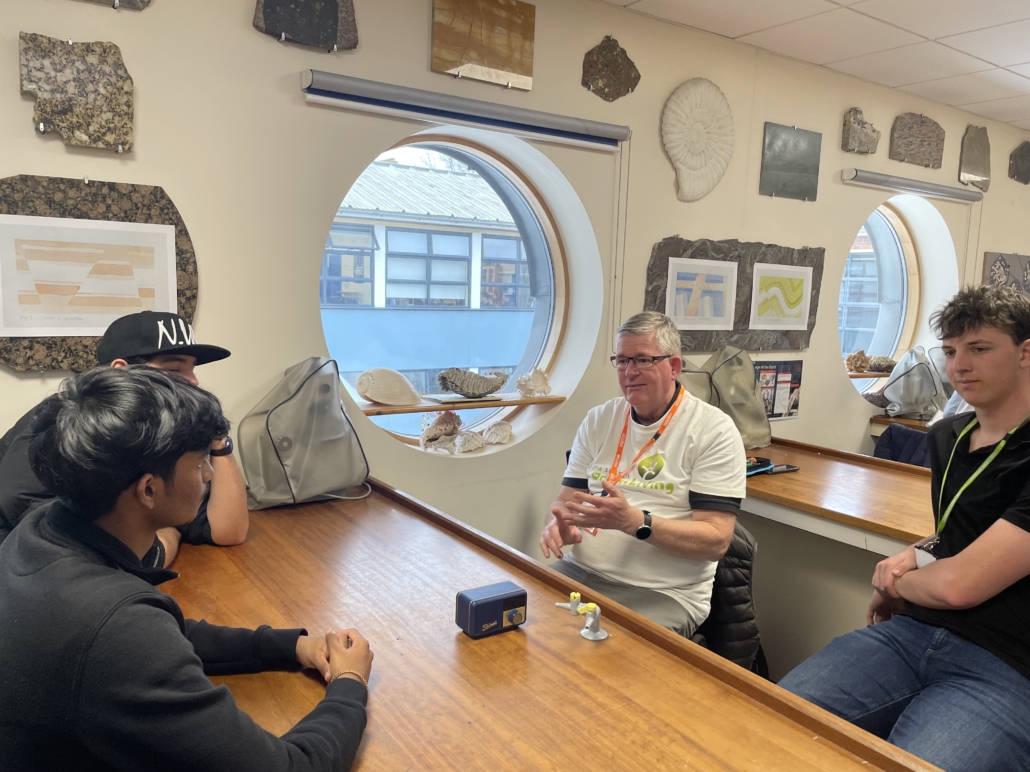
On Repair Day (17 October), you might realise you already tend to repair before replacing but how about the next generation? Sussex Green Living has been working on its next mission to inspire younger people to repair. The charity was delighted to run a Fixathon workshop in March in partnership with Innovate UK Business Connect, the government-backed national innovation agency, bringing together students from Collyer’s College in Horsham and Sussex Green Living’s repair volunteers.
If we want a generation that values materials, we have to show them how – and give them the opportunity to act.
The Fixathon was designed as a pilot to educate UK students on circular economy with practical, hands-on repair activities delivered alongside a local Repair Café. Students from Environmental Science and Engineering Design courses worked with experienced Horsham Repair Cafe’s volunteers (HRC is part of Sussex Green Living), taking apart everyday products such as radios, kettles, toasters, electric toothbrushes, power banks and mobile phones.
Rather than simply learning about sustainability in the classroom, they explored which products could be repaired, which could not, what materials and components they contain, and how design choices can make repair easier or almost impossible.
Innovate UK Business Connect connected the practical experience with the wider challenges facing designers, manufacturers and businesses. Its work on the circular economy emphasises keeping products and materials in use for longer through approaches such as repair, reuse and remanufacturing.
The workshop also addressed an important challenge: younger people currently have relatively low engagement with repair initiatives. By giving students the opportunity to investigate products for themselves, the pilot aims to increase the perceived value of the materials and components in everyday items.
The Fixathon also demonstrated the power of community partnership. Older generations shared practical knowledge and students brought curiosity and fresh perspectives. By choosing repair first we can reduce waste, keep valuable materials in use, save money and build a community that values what it already has.
- Repair Day: 17th October
- Find your nearest repair cafe: www.sussexgreenliving.org.uk/solutions/repair-cafes/
- Innovate UK Fixathon video: www.youtube.com/watch?v=zq60xRq-E94
By Carrie Cort
Collyer’s pupils at Fixathon

 Sussex Green Living
 Alfomedeiros
 Community Wellbeing Garden
 Sussex Green Living
 Alfomedeiros