
 Sussex Green Living
Weather, food prices and the case for growing your own
Unpredictable weather is putting pressure on food production, with smaller harvests and higher prices making food security an increasingly important issue for households and communities.
Heavy rainfall followed by heatwaves, with almost three quarters of England & Wales still officially in drought, the weather has severe impact on UK agriculture, leading to smaller produce, stressed livestock and higher prices.
Crops such as potatoes, carrots, tomatoes, strawberries and salad leaves are all likely to be badly affected.
Meeting demand will be more difficult which can contribute to higher prices, while growers also face increased costs pushing them to develop resilience.
Rachel Knowles, co-manager of Trenchmore Farm (Silly Moo Cider) in Cowfold comments “the weather this summer has been a wake-up call – things are not going to be as they were and we cannot comfortably cruise through as we might have expected 10 years ago. It needs intentional work, investing in our soil and herd health each year.”
Food security and resilience are increasingly being discussed at national and international level, including at local conferences such as in Chichester on 14 October. The UK Government has highlighted the importance of building a food system that is more resilient to shocks and changing conditions.
The question is: what can you do now to be better prepared this time next year?
There are practical steps we can all take to become more resilient.
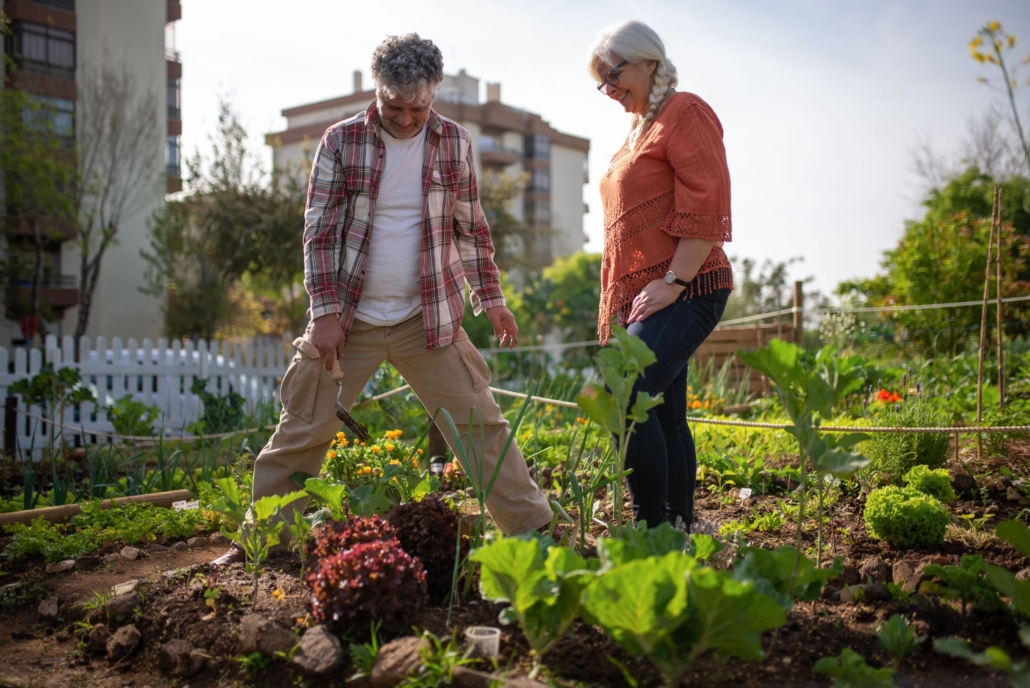
One recommendation is to grow some of your own food. You don’t need a large garden or specialist equipment. A few pots on a balcony, a small garden, growing vertically up fences to make best use of space, greenhouse or allotment can provide space to grow useful crops.
For beginners, good choices include salad leaves, herbs, radishes, spring onions, potatoes, tomatoes, courgettes and beans. Growing your own can reduce reliance on shop-bought produce, reducing food miles, plastic packaging and grown without chemicals so much better for us and the planet. You can even grow cut and come again salad, microgreens and sprouting food on your windowsill.
There are benefits beyond the harvest, too. Gardening can be a relaxing activity enjoyed alone or shared with family, friends and neighbours. Joining a local gardening group or allotment community can provide advice, friendship and opportunities to share seeds, plants and knowledge.
And then there are the rewards: fresh herbs for dinner, home-grown strawberries, your first crop of potatoes or simply the satisfaction of watching something you planted grow.
If you’d like to get started, come along to the Sussex Green Hub and speak to Geoff, a professional gardener who leads our Growing Hub, he will help you choose what to grow, prepare your space and plan for the season ahead. Plant your first seeds and take home.
Sussex Green Hub on Saturday 26th September 10am-2.30pm
United Reformed Church, Springfield Road, Horsham, RH12 2RG (near the old Wilko)
www.sussexgreenliving.org.uk/sussex-green-hub/
Chichester Food Security Conference: www.tickettailor.com/events/transitionchichester/1354650

 Sussex Green Living
 Alfomedeiros
 Community Wellbeing Garden
 Sussex Green Living
 Sussex Green Living
 Community Wellbeing Garden