
Sussex Green Living
  • Practical Solutions
  • Get involved
    • Our Story & Team
    • Schools
    • Businesses
    • Volunteering
    • Fundraising
    • Our vision
  • Sussex Green Hub
  • Horsham Repair Café
  • Events
  • News
  • Contact
  • Donate
  • Click to open the search input field Click to open the search input field Search
  • Menu Menu
  • Link to Facebook
  • Link to Instagram
  • Link to LinkedIn

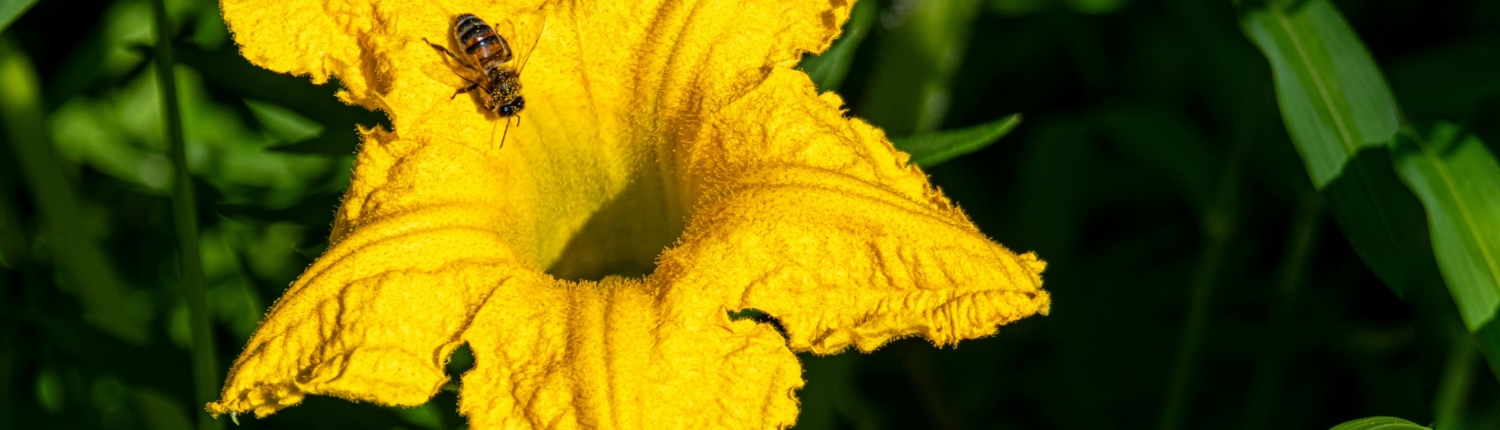
Did you know a bee needs to visit 660 flowers to make just one drop of honey? And that a third of our food is thanks to the pollinators? Pollinators, which include bees, butterflies, moths, beetles and even birds and bats, are vital to our ecosystems and biodiversity.

During Bees’ Needs Week (13th – 19th July), across the country, organisations and individuals are being recognised for their work supporting pollinators. Locally, Sussex Green Living, has been nominated for the Defra Bees’ Needs Champion Award in recognition of its active work to restore biodiversity through its Pollination Education Stations installed in schools, work places, churches and community areas.

At home too, there are helpful steps we can take. A thriving wildlife habitat actually starts with living soil; a dynamic, underground ecosystem filled with fungi, microbes, bacteria, and earthworms.

When your soil is thriving, plants can grow stronger and produce more nectar and pollen, which naturally attract more pollinators. In fact, investing in soil health is one of the most impactful steps a gardener can take to contribute to a healthier environment.

Start with organic matter

Healthy soil starts with organic matter. Materials like compost, leaf mould and well-rotted manure feed the organisms in the soil which then break down nutrients into forms that plants can absorb. This mimics the cycles found in natural environments, where fallen leaves and decaying plants replenish the soil year after year.

Regularly adding organic matter to your garden beds improves the soil structure, creating a rich and crumbly texture that supports root growth and underground life. And it doesn’t need to be expensive. In fact, embracing home composting turns food waste into valuable nutrients for your garden, reduces landfill waste and minimises the fossil fuels needed to transport it around the county.

Growing plants that feed pollinators

Nutrient-rich soil leads to more vibrant blooms and longer flowering periods, so the likes of bees, wasps, butterflies and moths have more time to feed throughout the year. But you can also encourage pollinators to your garden with what you plant.

Sunflowers, thistles, poppies and borage are all great choices for bees and butterflies. Some food plants such as pumpkins, winter squash, melons and raspberries provide plenty of pollen. Even those considered weeds like dandelions, daisies and clover encourage more pollinators to your space, so don’t be afraid to leave some parts of your garden wild.

Encouraging natural soil cycles

Rather than relying on synthetic fertilisers, which can disrupt soil biology, aim to work with natural cycles. Mulching is a simple but powerful practice where you cover the soil with organic materials like bark, straw, or grass clippings to protect it from erosion, help regulate the temperature, and provide a steady source of food for beneficial organisms like worms and beetles.

Supporting a balanced ecosystem

Living soil doesn’t just attract pollinators. It also supports helpful predators like beetles, birds, and hedgehogs that help keep pest populations in check. The balance reduces the need for chemical interventions and fosters a more stable, resilient environment that supports itself. Our gardens serve as vital wildlife corridors, so even small improvements in the health of your soil can contribute to broader ecological stability.

If you need a hand getting started with gardening, you are welcome to access free pots, soil and seeds at the Growing Hub on the last Saturday of the month: www.sussexgreenliving.org.uk/sussex-green-hub/

By Annie Button
Recent Blog Posts

  • How to Develop Healthier Soil That Pollinators Can’t Resist 12 August 2026
  • People’s Emergency Briefing film 9 July 2026
  • Ready to make a world of difference?  9 July 2026
  • Citizen science helps dolphins thrive 23 June 2026
  • Communities and Churches Unite Around Climate Emergency Film 14 May 2026

Search

Search Search

Blog Post Archive

Tag Cloud

beach clean bees biodiversity Cape of Good Hopes Cape of Hopes carbon climate change Community Event Community Project Crafting flowers food waste gardening green business network green thing grow-your-own homegrowing Horsham Eco Churches nature one earth peat peat-free compost PES pollinators press_release Recycling refill refuse renature reuse rubbish seed swap sheep spring sussex green hub sussex green living sussexgreenliving Sustainable Living United Reformed Church vegetables Wildflowers wildlife wildlife conservation wool world environment day

Sussex Green Living

The White House
Coolham Lane
Coneyhurst
RH14 9DH

Message Us

Latest Posts

  • Bee on Pumpkin FlowerSussex Green Living
    How to Develop Healthier Soil That Pollinators Can’t Resist12 August 2026 - 11:04
  • People’s Emergency Briefing film9 July 2026 - 17:21
  • SGH Team
    Ready to make a world of difference? 9 July 2026 - 17:12
  • Citizen science helps dolphins thrive23 June 2026 - 14:32

e-Newsletter Sign-up

Get every post & our e-news to your inbox.

Subscribe Here

Search

Search Search
© Copyright - Sussex Green Living 2026 | Charity No. 1189569
  • Link to Facebook
  • Link to Instagram
  • Link to LinkedIn
Link to: People’s Emergency Briefing film Link to: People’s Emergency Briefing film People’s Emergency Briefing film
Scroll to top Scroll to top Scroll to top

This site uses cookies. By continuing to browse the site, you are agreeing to our use of cookies.

OKLearn more×

Cookie and Privacy Settings


How we use cookies

We may request cookies to be set on your device. We use cookies to let us know when you visit our websites, how you interact with us, to enrich your user experience, and to customize your relationship with our website.

Click on the different category headings to find out more. You can also change some of your preferences. Note that blocking some types of cookies may impact your experience on our websites and the services we are able to offer.

Essential Website Cookies

These cookies are strictly necessary to provide you with services available through our website and to use some of its features.

Because these cookies are strictly necessary to deliver the website, refusing them will have impact how our site functions. You always can block or delete cookies by changing your browser settings and force blocking all cookies on this website. But this will always prompt you to accept/refuse cookies when revisiting our site.

We fully respect if you want to refuse cookies but to avoid asking you again and again kindly allow us to store a cookie for that. You are free to opt out any time or opt in for other cookies to get a better experience. If you refuse cookies we will remove all set cookies in our domain.

We provide you with a list of stored cookies on your computer in our domain so you can check what we stored. Due to security reasons we are not able to show or modify cookies from other domains. You can check these in your browser security settings.

Other external services

We also use different external services like Google Webfonts, Google Maps, and external Video providers. Since these providers may collect personal data like your IP address we allow you to block them here. Please be aware that this might heavily reduce the functionality and appearance of our site. Changes will take effect once you reload the page.

Google Webfont Settings:

Google Map Settings:

Google reCaptcha Settings:

Vimeo and Youtube video embeds:

Privacy Policy

You can read about our cookies and privacy settings in detail on our Privacy Policy Page.

Privacy Policy
Accept settingsHide notification only