
 Geoff Hunt
Wild Gardening: creating a beautiful refuge for wildlife
Across the UK, many natural spaces have become either overly tidy or ecologically depleted. Hedges and scrubland have been cleared, wildlife habitats have disappeared and large areas of farmland are regularly treated with pesticides and weedkillers.
Our gardens can help fill this gap by providing much-needed refuge for wildlife. In fact, suburban gardens now support more hedgehogs than much of the surrounding countryside.
With a few simple changes to the way we manage our outdoor spaces, we can help reverse this decline and create places where nature can thrive.
Make the Most of Your Lawn and Planting
- Mow lawns less often, or raise the cutting height, to help insects such as grasshoppers survive and to keep grass greener during dry periods.
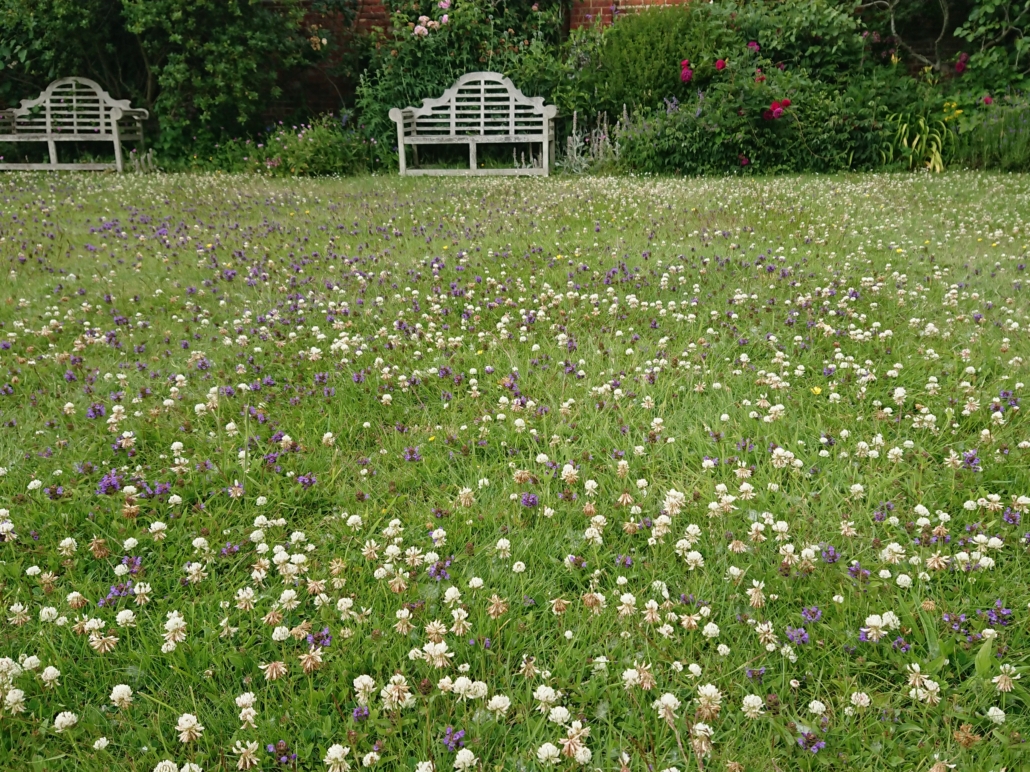
- Allow wildflowers to grow in parts of the lawn to increase biodiversity.
- Plant a range of flowering plants and shrubs so pollinators can find food throughout the year.
- Choose simple, open flowers rather than heavily double blooms, which are less useful to pollinating insects.
Provide Water, Shelter and Safe Access
- Leave out fresh water for hedgehogs or place a bird bath in a safe spot away from predators.
- Provide shelter with nest boxes, bug hotels, shrubs, and bushes where birds and insects can nest and rest.
- Create ‘hedgehog highways’ by leaving CD-sized gaps (13cm x 13cm) in fences, walls, or gates so hedgehogs can move safely between gardens and avoid dangerous roads.
- Remember that hedgehogs can travel up to 2km in a single night in search of food and mates, so easy access between gardens is essential.
Create Natural Habitats and Avoid Hazards
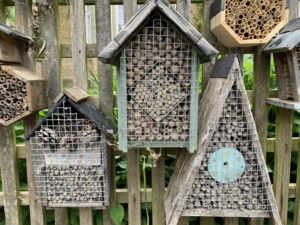
- Keep a wild corner with long grass for shelter and add log piles to attract beetles and grubs. A compost heap can also provide food and a useful nesting site.
- Make sure ponds have a shallow edge or a ramp, check long grass before mowing or strimming, and move bonfire piles before lighting them to protect nests and hidden animals.
- If space is limited, grow wildflowers in pots – small spaces can still make a big difference.
- Avoid using chemical pesticides and herbicides wherever possible.
Wildlife-Friendly Plants
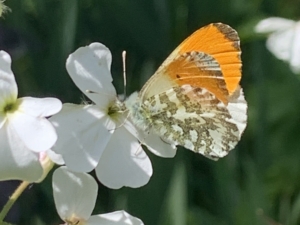
Orange tip on lady’s smock
- Garlic mustard and lady’s smock are important food plants for orange tip butterflies, which lay their eggs on the seed pods.
- Stachys lanata, commonly known as lamb’s ear, provides the soft fibres that wool carder bees use to line their nests.
Why It Matters
A garden becomes richer and more rewarding when it is shared with wildlife. Watching birds gather nesting material, listening to a blackbird sing or spotting a hedgehog foraging across the lawn can help us feel more connected to the natural world. No matter how small your outdoor space is, you can make it more welcoming for wildlife—and more enjoyable for yourself.
By Geoff Hunt

 SDNPA/A.K.Purkiss
 Sussex Green Living
 Alfomedeiros
 Community Wellbeing Garden