
 Why not learn your A – Z of
Common British Garden Birds
We are all becoming more acquainted with our homes and gardens. We have rediscovered the simple pleasures of watching the birds come in and out of our space. If you have found yourself becoming something of a twitcher, you might want to start naming the bird species and maybe even putting out food that will attract greater variety. Here we take you through an essential A- Z of common British garden birds to get you started.
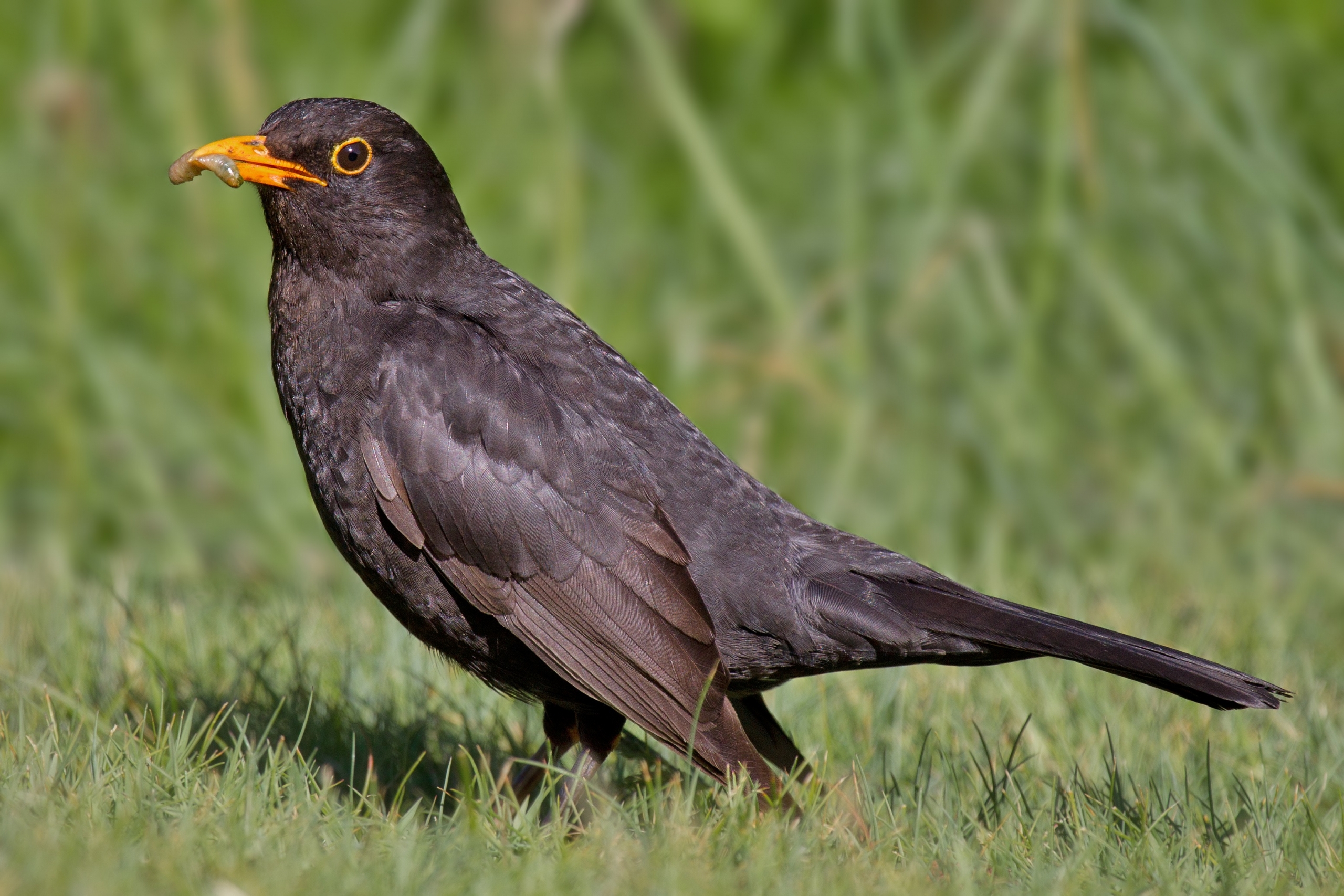
Blackbird
The blackbird is not the most sociable of species. If you have visiting blackbirds, it is likely that it is territorial and will scare off other birds from your garden. They don’t like to flock either, preferring life alone. Only when breeding season starts will you find the boundaries of these territories break down.
If you want to attract blackbirds, you will need some tree cover. You might also want to stock your table up with mealworm, as they more than likely forage for creatures beneath the ground.
Blue Tit
A blue tit is always something of a favourite because of the bright flash of colour they bring to a garden. The distinctive blue and yellow plumage make them easy for a novice twitcher to spot too. As there are more than 3.5 million breeding pairs across Europe, they are among the most common birds.
If you fancy attracting the local population, you might want to hang a wild bird fat ball or scatter some sunflower hearts.
Goldfinch+
Goldfinch is a rarer sight but no less beautiful than the blue tit. You are more likely to catch sight of them in the UK’s southern counties, especially if your garden is full of bushes and trees. The goldfinch likes to feed on seeds and insects, and you can attract them with Niger Seed if you would like them to visit your garden. You may need to be patient, as the goldfinch is not a massive fan of colder and more extreme weather and has been known to migrate further south for sunnier climes.
House Sparrow
The sparrow might not have the advantage of that beautifully colourful plume, but it is an outgoing little chap and likes nothing more than to share our gardens with us. There has been a 71% decline in m=numbers around England, but they have found a home in Wales and Scotland. You can encourage this friendly bird with sunflower hearts, seed, and peanut mixes.
Robin
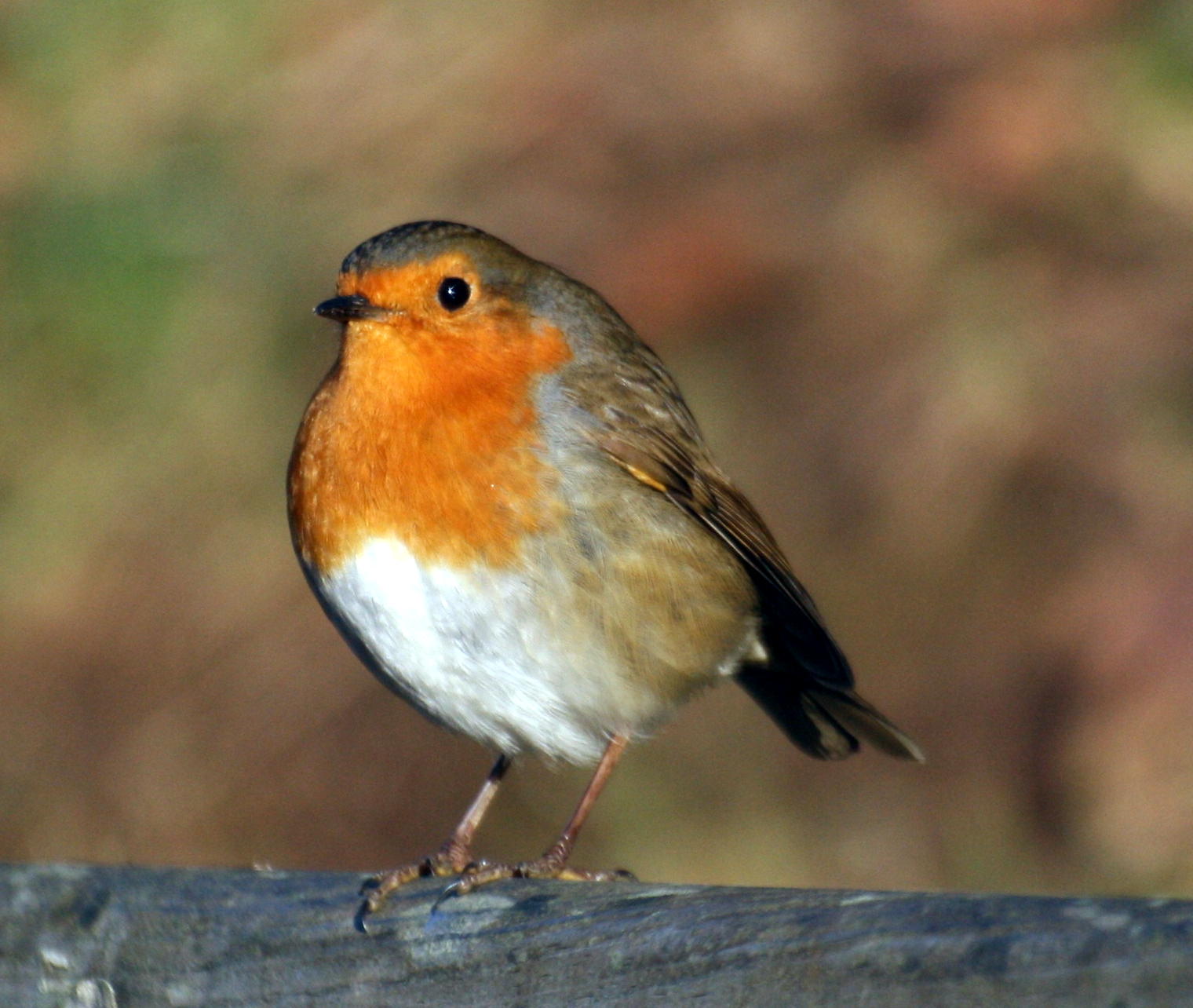
Of all the birds we love to see, the robin is high on our list. Its startling redbreast has been one of the favourite graphics of Christmas cards throughout time. While we associate the robin with winter, they are with us throughout the year and can most often be found in our parks and woodlands. They might appear rare in the summer months, but this is only because they moult and lose the distinctive red/ orange colour for a while. The robin loves nothing more than a suet bird fat ball.
Song Thrush
Although it might be brown in colour, it is beautiful in voice. We are more likely to have heard the repetitive tweets of the song thrush than seen it up close. However, if you want to catch sight of one, keep your eyes on your lawn, as they like to ground feed on worms. They have a speckled plumage and larger eyes than most. You are most likely to find them in woodlands and parks.
Spotted Woodpecker
A great spotted woodpecker is mostly black and white. Yet, it has a beautiful dash of scarlet at the end of the tail and back of the crown. It is always a delight to spot a woodpecker clinging to a tree. If you have ever wondered how a woodpecker can bash so furiously at a tree without getting a headache, they have a reinforced skull and cushioned air holes to take the pressure of the bouncing motion.
Woodpigeon
Pigeons may be grey with the odd flash of white, but they make the most calming cooing sound. They are the largest pigeons in the UK and can be found in woods and fields – though they are common in our towns. A woodpigeon needs to drink a lot of water, so having a birdbath topped up will make you a favourite here.
 Wren
Wren
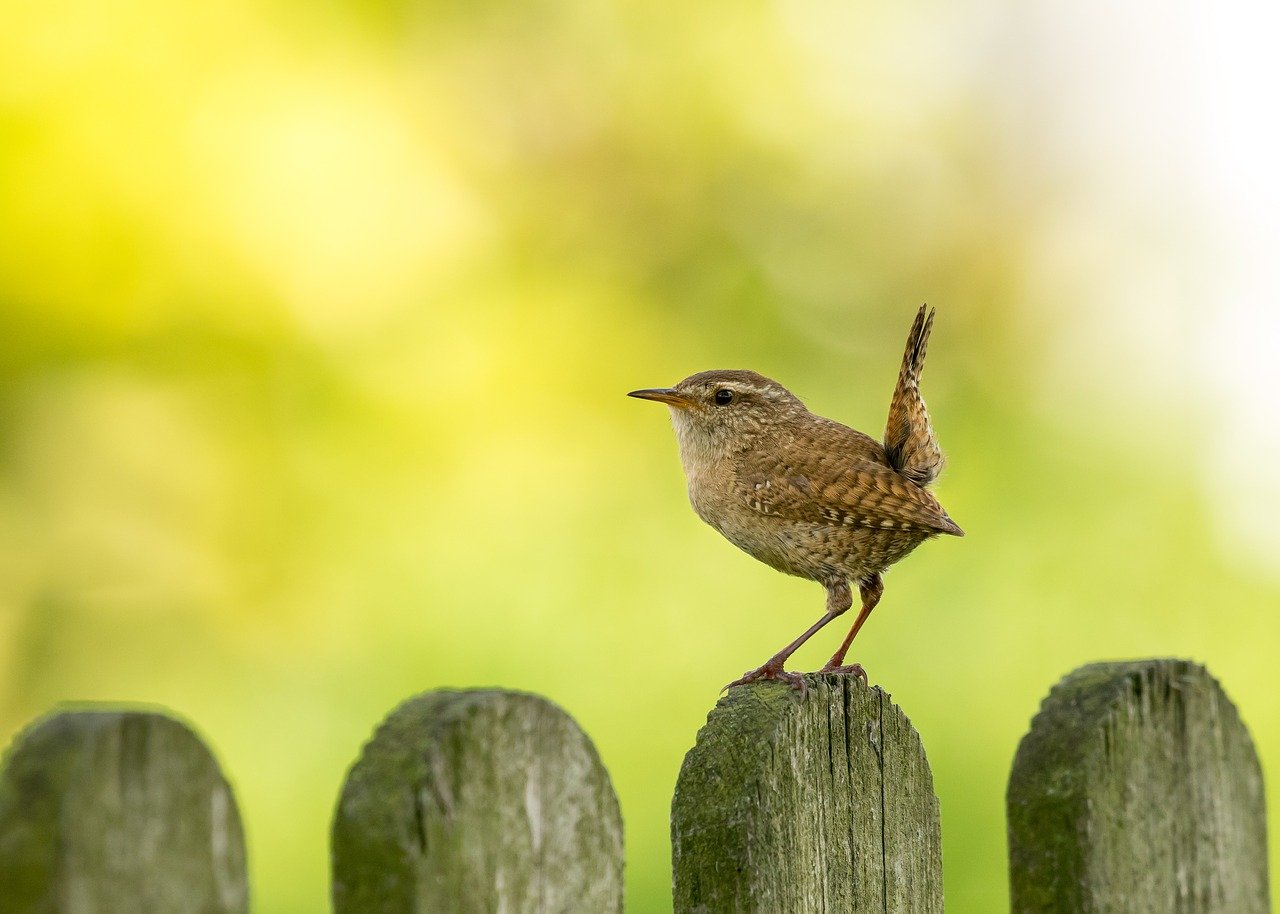
The wren is a stocky little bird, mostly brown with a stubby tail. It is the most common breeding bird in the UK and will be a regular visitor to your garden. Its song is much bigger than its body, and the wren is a prominent voice in the dawn chorus. Wrens need the most help of all garden birds during a long and challenging winter and will enjoy eating live foods such as mealworm or raiding your insect hotels.
Here are some other ideas for helping to get the family out into the great outdoors.
Learn about other outdoor environmental education activities here and our exciting 2021 project – Bright New Future Roadshow here.
Feeling inspired to get involved?
We are always looking for volunteers, so get in touch or come and meet us and see how you can get involved! Join us on Facebook, Twitter and Instagram, or sign up to receive our latest news (it only takes two seconds to add your email address – simply click on black ‘Follow‘ tab on bottom right of this screen!). Feel free to also send us an email using our contact form, or come and say hello at our events like the Horsham Climate Cafe or the Horsham Repair Cafe!

 Community Wellbeing Garden
 Sussex Green Living
 Sussex Green Living
 Biffa
Biffa