
How to help butterflies thrive
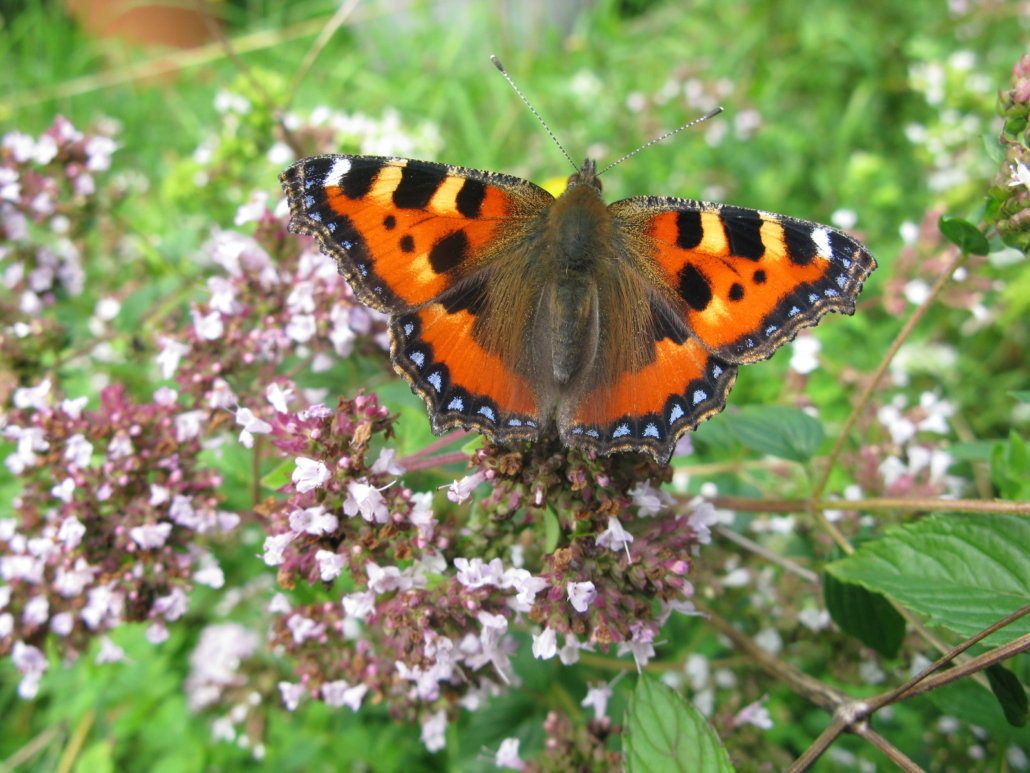
Sadly, of the UK’s 59 butterfly species, 33 have been in decline in recent years, with favourites like the once common Small Tortoiseshell on the brink of disappearing altogether in parts of southeast England. But there are lots of ways we can all help our butterflies thrive. You can get involved by volunteering with a local conservation group such as Wild About Warnham, or your local branch of Butterfly Conservation. Or why not take some simple steps to make your garden more butterfly-friendly?
Butterflies will visit any garden, however small if it contains some nectar-rich plants to attract them. But don’t forget if you want butterflies to breed in your garden, you should also include plants and shrubs on which their hungry caterpillars can feed. As many butterflies lay their eggs on different grasses, just allowing an area of your lawn to grow long and wild will do the trick!
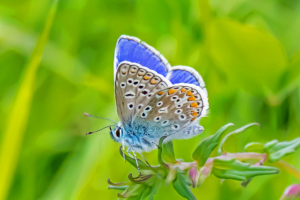
Common Blue
Other examples of favourite food plants for the caterpillars of different species include:
- Alder Buckthorn for Brimstone butterflies
- Holly and Ivy for the Holly Blue
- Cuckoo Flower and Garlic Mustard for Orange Tips and Green-veined Whites
- Blackthorn for the rare Brown Hairstreak
- Sorrels and docks for the Small Copper
- And Nettles for Peacocks, Red Admirals, Commas and Small Tortoiseshells
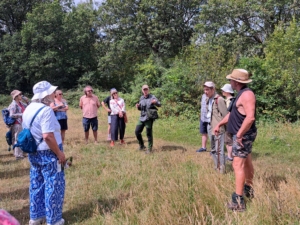 In July, we teamed up with local conservation group, Wild About Warnham, to celebrate the Butterfly Conservation’s Big Butterfly Count with a two free guided walks in the Warnham Butterfly Fields. Everyone enjoyed the visit to the wildflower meadows. Thanks to David Bridges and two other volunteers we took out two groups of 25 people to learn about butterflies, moths and the wonders of wildlife in general. They learnt how to be citizen scientists by taking part in the Big Butterfly Count which provides vital information to help Butterfly Conservation assess the fortunes of the UK’s butterflies and help guide future conservation action to help boost butterfly numbers.
More info on Big Butterfly Count: butterfly-conservation.org/how-you-can-help
Volunteer with Wild About Warnham, email: wildwarnham@btinternet.com
By David Bridges

 SDNPA/A.K.Purkiss
 Sussex Green Living
 Alfomedeiros
 Community Wellbeing Garden
 Geoff Hunt
 RHS
RHS