
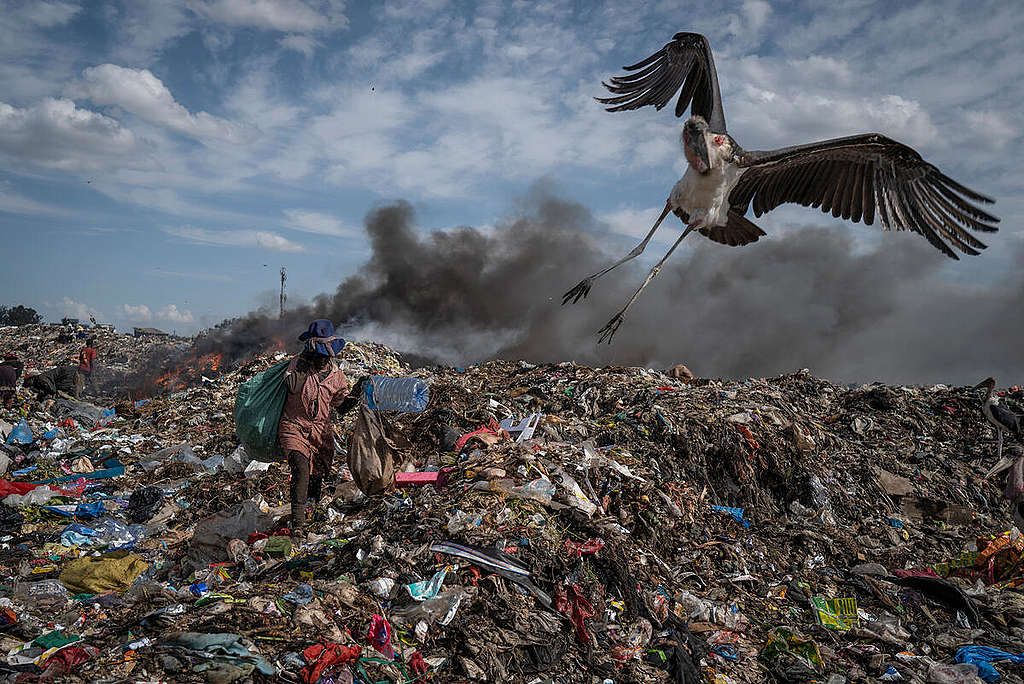
From Donation to Dump: The Environmental Cost of Charity Shop Surplus
You know that big bag of old clothes you dropped off at the charity shop after having a wardrobe declutter? You probably felt a warm glow of generosity by donating your unwanted bits to a good cause (and it’s probably also a relief to get all that clutter out of sight by conveniently handing it all over to someone else, right?). What if I told you that only between 10% and 30% of second-hand donations are resold in store. What happens to all the rest?
The clothes that charity shops can’t sell are taken away and in the UK, 70% of used clothing is exported to the Global South. Once there, many clothes end up in landfills or incinerated. This has major impacts on health and the environment, including water pollution and greenhouse gas emissions, worsening the strain on countries already struggling with waste management infrastructure. Read more
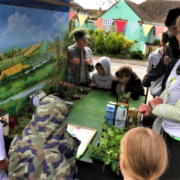
 Growing together – Food – Fun – Family – Free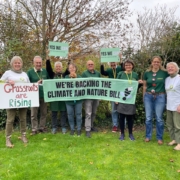

 We all want a world where our climate is stable, nature thrives, and where all people have health, happiness, and prosperity – it’s our human right, right?
 As a child, I never understood the saying, “It’s an ill wind indeed that blows no good,” but I recently realised that’s what’s happening now.
 This year we’re asking, “Can airlines please tell us the truth – the whole truth – about the impacts of aviation? Is it not one of the biggest polluters of our planet?” Like cigarette packaging and advertising, and in a similar way to food allergy advice, shouldn’t plane tickets have health warnings for us and the planet?
 Sussex Green Living

 Community Wellbeing Garden
 Sussex Green Living
 Sussex Green Living
 Biffa
Biffa