
Do you consider what happens to your waste? (First published in West Sussex County Times)
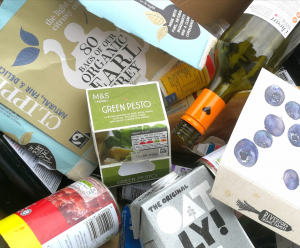 In West Sussex, 58.8% of an average household waste bin’s contents could have been diverted from general rubbish. Shockingly, 12.9% of the contents are items that could have been placed in kerbside recycling, and 40.5% is food waste. West Sussex County Council (WSCC) are asking us to reduce what we use, and re-use where possible. If items can’t be re-used, then recycle or compost. But what happens to the rest of our waste?
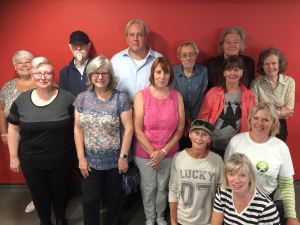
As managing our environmental impact becomes increasingly important, this is a question on many peoples’ minds. In West Sussex, all household waste is processed at two sites managed by Biffa, West Sussex Ltd. A team of our recycling volunteers recently organised visits to Brookhurst Mechanical Biological Treatment Facility and Ford Materials Recycling Facility to find out more.
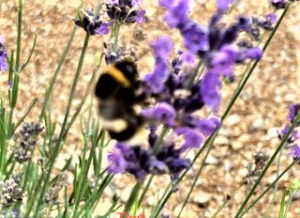 When I was invited to write an article on my experience with bumble bees, this title came to mind. I like to think it’s part of Christopher Bollas’s ‘unthought known’ territory – something you’ve carried around in your mind without ever really realising it. And as it turns out, the phrase is rather apt: Darwin referred to them as the ‘hum bee’ – because they ‘hummed’.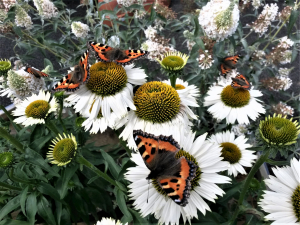
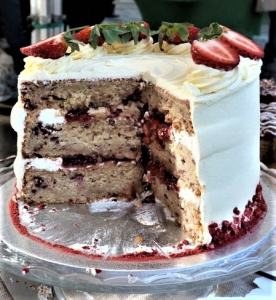
 Building Your Dreams
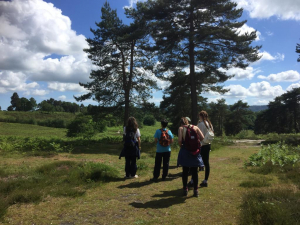 Last month marks 2 years since the launch of our Youth Eco Forum (YEF), a group of young environmentalists that meet to discuss their concerns about the environment, share solutions and plan events.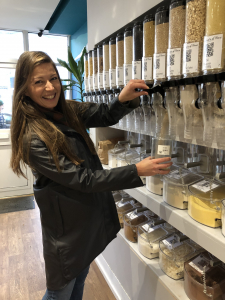

 Community Wellbeing Garden
 Sussex Green Living
 Sussex Green Living
 Biffa
Biffa