
 Pexel
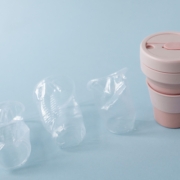
PexelGoing Beyond Recycling Towards Less Plastic
Sussex Green Living is appealing to the public to keep going with a plastic free life in 2026 and beyond.
Why is recycling plastic not enough? While some of the plastic we recycle is turned into new products, much of it is exported or incinerated. Although energy recovery from burning plastic is often counted within waste management, plastic is made from fossil fuels that took millions of years to form, so burning it is not a sustainable solution. The biggest climate impact, however, comes long before plastic reaches us. According to the OECD, around 90% of greenhouse gas emissions from plastics occur during production and manufacturing. Read more
 Joy Carter
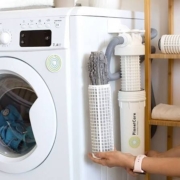
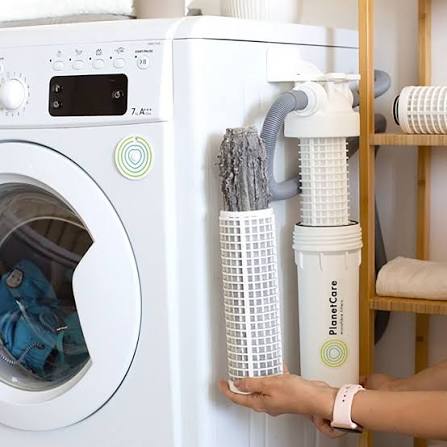 Did you know your daily diet might include a helping of plastic? Microplastics have been found in honey, sea salt, bottled water, and even human blood and lungs. While they may be “micro” in size, their impact on health and the environment is anything but small. We can’t see them, but they’re everywhere. Every time we wash synthetic clothes, thousands of microscopic fibres are released into the water system. Many of these microplastics end up in rivers and seas and the soil where they can harm wildlife and enter the food chain.
 During the weekend of Saturday 6th to Monday 8th May, there will be celebrations and parties all the country. Local town, Eastbourne, has put together a guide to help with the preparations and create eco-friendly events. We’re sure that King Charles would approve.
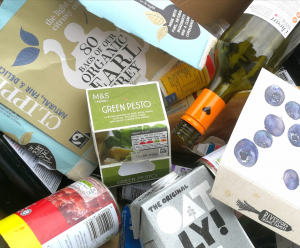 In West Sussex, 58.8% of an average household waste bin’s contents could have been diverted from general rubbish. Shockingly, 12.9% of the contents are items that could have been placed in kerbside recycling, and 40.5% is food waste. West Sussex County Council (WSCC) are asking us to reduce what we use, and re-use where possible. If items can’t be re-used, then recycle or compost. But what happens to the rest of our waste?
 I’ve always considered myself to be a bit of a greenie, I recycle after all! However, last month I took part in The Big Plastic Count organised by Greenpeace and Everyday Plastic. The aim was to count my plastic packaging waste over the course of a week and record it as part of a nationwide study to understand how much plastic waste we are creating in the UK.
 Community Wellbeing Garden
 Sussex Green Living
 Sussex Green Living
 Biffa
Biffa