
 Pexel
PexelGoing Beyond Recycling Towards Less Plastic
Sussex Green Living is appealing to the public to keep going with a plastic free life in 2026 and beyond.
Why is recycling plastic not enough? While some of the plastic we recycle is turned into new products, much of it is exported or incinerated. Although energy recovery from burning plastic is often counted within waste management, plastic is made from fossil fuels that took millions of years to form, so burning it is not a sustainable solution. The biggest climate impact, however, comes long before plastic reaches us. According to the OECD, around 90% of greenhouse gas emissions from plastics occur during production and manufacturing.
And we can feel the impact right here right now. In 2026, we have seen the extreme weather events, such as no rain in April, heavy and extreme rainfall in May and heatwaves in June and July. Since 2015, the hottest years ever are being recorded, no doubt 2026 will break all records.
Recycling definitely helps to reduce the negative impact of plastic once it’s produced but avoiding or reducing plastic consumption in the first place is what will make a big difference. Think of all those flimsy grocery bags we no longer use in the shops! What a difference that made! And that’s because many individuals changed their habits (of course it helped that supermarkets don’t give them out for free anymore). That’s the power of collective action though. We can tip the scale together.
Habits are hard to change, I’ll be the first to admit, but changing one at a time makes it possible. I was on top of recycling, like many people are, so I decided my next step would be to use refill shops starting with liquid refills. Now it’s set in our household habit: one shopping list for the supermarket, one shopping list for the refill shop!
We can all gradually refuse, reuse, refill and repair. Here are a few pointers to get started:
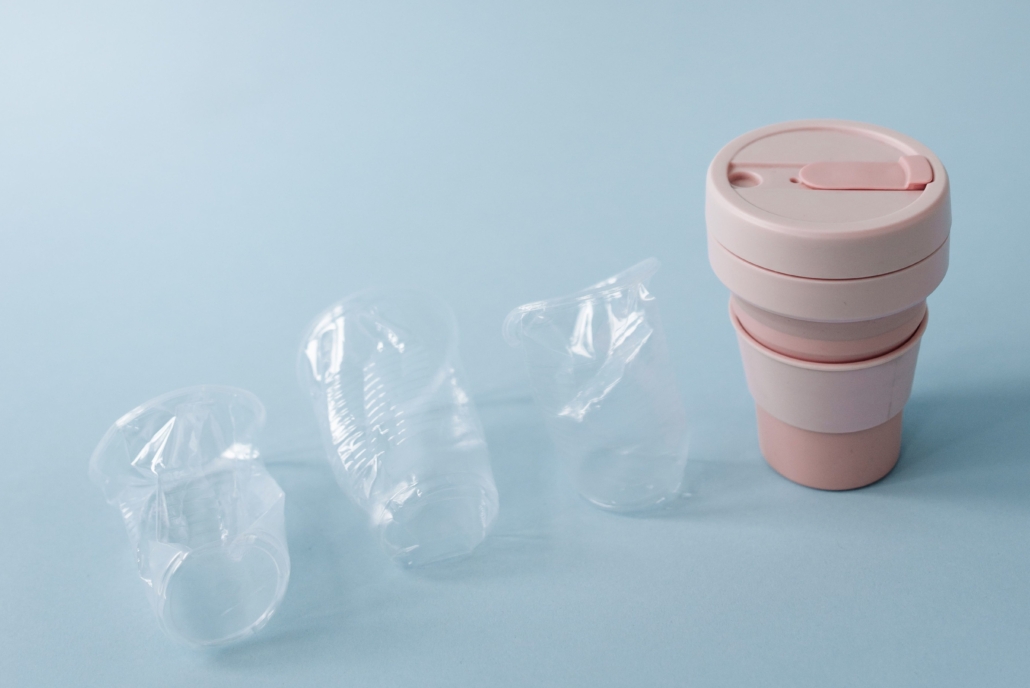
- Coffee on the go: carry your reusable mug – this also sometimes gives you a discount in coffee shops.
- Shopping bags: carry your light foldable tote bags.
- Groceries packaging: Buy loose veggies and fruits, shop at local markets or even better grow your own food! Use refill shops to replenish basic dry food (rice, cereal, pasta, oat m*lk powder, etc.) and liquids (laundry detergent, body soap, hand soap, etc.).
- Broken item: visit a local repair café where volunteers repair electrical, mechanical or textile items and share their expertise. It also saves you money!
When you can’t avoid the plastic, make sure you make the most of all recycling schemes out there. You can also recycle waste resources through Sussex Green Living to raise money for charities and it helps get back materials into the circular economy.
For lots more plastic swaps ideas: www.plasticfreejuly.org/
For all info on recycling schemes and to find your nearest refill shop and repair cafe: www.sussexgreenliving.org.uk/solutions
By Elisabeth Bautista & Carrie Cort
Our work experience student from Collyers, Alice, produced this upbeat video giving ideas for swapping plastic for durable items – we are grateful for her creative contribution:

 SDNPA/A.K.Purkiss
 Sussex Green Living
 Alfomedeiros
 Community Wellbeing Garden
 RHS
RHS Bex Bastable