
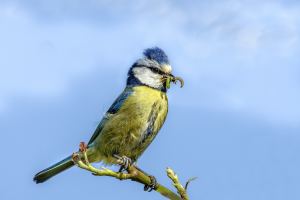
© Richard Sharman / Sussex Wildlife Trust – Bluetit
Written by Tony Whitbread President of Sussex Wildlife Trust.
February is a pivotal month for the UK’s garden birds. As winter tightens its grip and natural food sources run low, feathered visitors depend more than ever on the habitats and help we provide. And while the joy of watching birds brighten our gardens remains undiminished, the latest Big Garden Birdwatch reminds us that the broader picture is cause for concern.
The data show what many nature-lovers have sensed: some species are thriving, but others are struggling. Long-tailed Tits and Great Tits continue to increase, bringing energy and colour to winter hedgerows. Yet familiar favourites such as Song Thrushes, House Sparrows, and Greenfinches are in noticeable decline. Their absence is more than a loss of beauty — it signals deeper shifts in the health of our environment.
Birds enrich our lives in countless ways. A mixed flock of Blue Tits, Long-tailed Tits, Coal Tits and Goldcrests can transform even the dullest winter morning. Bullfinches, especially radiant at this time of year, offer flashes of brilliance that lift the spirit. And simply taking part in the Birdwatch helps people “get their eye in” and truly appreciate the wildlife sharing their garden.
But birds also perform vital, often overlooked services. One Blue Tit nest can consume 10,000 caterpillars in a year — a natural defence against defoliation in our trees. Research shows Great Tits in orchards can boost fruit yields by devouring thousands of pests. These examples are reminders that declining bird numbers could have real, far-reaching consequences for our landscapes, gardens, and food systems. 
So what can homeowners do? Curiosity is a powerful first step. Explore the latest guidance on feeding birds and providing nest boxes via the Sussex Wildlife Trust: https://sussexwildlifetrust.org.uk/discover/in-your-garden/birds.
Then consider your garden as habitat. Nature thrives in complexity — mixed shrubs, layered vegetation, ponds, deadwood piles, wild corners, and “fuzzy edges” that echo the untidy richness of natural landscapes. Such diversity offers food, shelter, and water for birds and countless other species.
Finally, go pesticide-free. Safer alternatives exist, and reducing toxins is essential if we want to avoid a silent spring. By making space for nature, every homeowner can help turn the tide — one garden, and one bird, at a time.
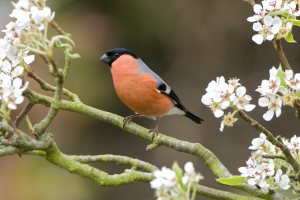
© Derek Middleton / Sussex Wildlife Trust – Bullfinch male
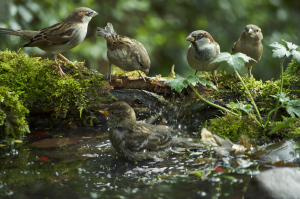
© Alan Price / Sussex Wildlife Trust – House sparrows



 Joy Carter
 WWT Arundel Wetlands Centre