Did you know a bee needs to visit 660 flowers to make just one drop of honey? And that a third of our food is thanks to the pollinators? Pollinators, which include bees, butterflies, moths, beetles and even birds and bats, are vital to our ecosystems and biodiversity.
Community in Henfield united to watch the People’s Emergency Briefing a public information film that clearly and honestly briefs the UK on the climate and nature crisis. Building on the landmark National Emergency Briefing (NEB) held in Westminster, the film features event footage with reactions from members of the public and some familiar faces. The film was shown in Henfield last Sunday and it’s designed to be followed by structured discussion, to allow people to process what they have heard and find ways to engage positively around local community solutions. It is not party political in any way but it is relevant to everyone.
In attendance were local residents of all ages, Councillors, the Parish Council Clerk and the local vicar.
https://www.sussexgreenliving.org.uk/wp-content/uploads/2026/08/PEB-church.jpg260380Marianne Lindfieldhttps://www.sussexgreenliving.org.uk/wp-content/uploads/2026/07/SGL-logo-masthead.pngMarianne Lindfield2026-05-14 11:08:332026-08-03 15:40:47Communities and Churches Unite Around Climate Emergency Film
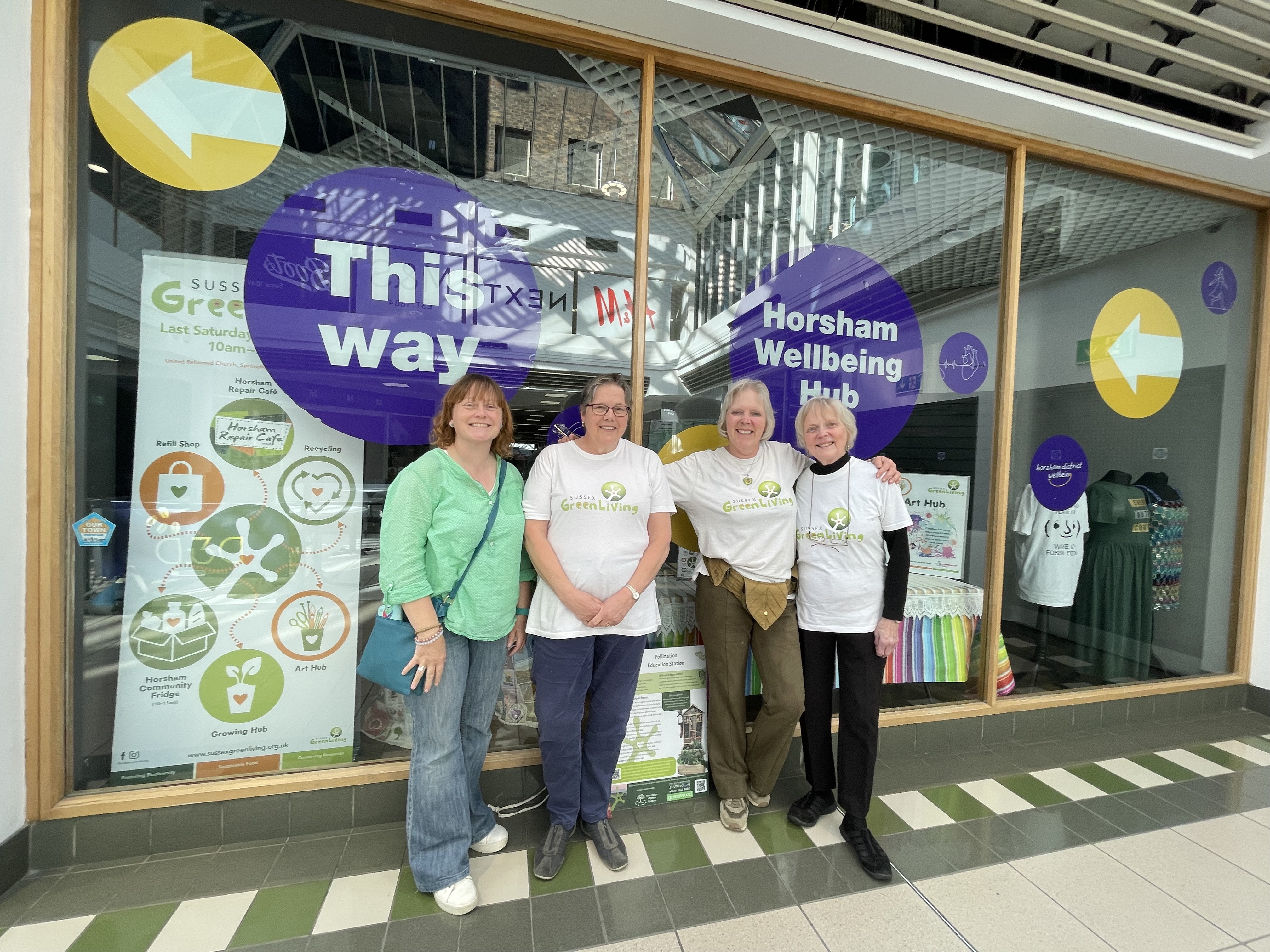
This May 2026, an empty retail unit in Swan Walk Shopping Centre has been transformed into a vibrant community hub—demonstrating the power of collaboration to support both people and planet.
In an inspiring joint initiative, Men’s Shed Horsham and Sussex Green Living have come together to launch a month-long pop-up shop focused on wellbeing, sustainability, and community connection. They are joined by Menshare and SEN Shed, creating a diverse and inclusive programme of activities across the week. Read more
https://www.sussexgreenliving.org.uk/wp-content/uploads/2026/08/Shop-team-1.jpeg00Marianne Lindfieldhttps://www.sussexgreenliving.org.uk/wp-content/uploads/2026/07/SGL-logo-masthead.pngMarianne Lindfield2026-05-05 12:25:402026-08-10 14:56:38A Pop-up with Purpose: Community Collaboration Brings Wellbeing & Sustainability To Horsham
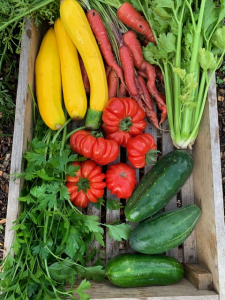
There is something very satisfying about growing your own food whether it’s from seeds or from seedlings bought from a garden centre. Both rewarding and sustainable, it also connects us with the rhythms of nature and can save money. It can also be a little challenging or frustrating at times, but this makes the reward of harvesting, cooking and eating your home grown produce all the more gratifying and much tastier than supermarket vegetables.
To start with, you really need the right location. Most vegetables require at least 6 hours of direct sunlight each day to grow properly. Without this, seedlings will become tall and spindly or ‘leggy’ and susceptible to disease. Good drainage is also essential. Over-watering can cause seedlings to rot or ‘damp off.’ Shelter from strong winds is also important, when growing delicate plants outside.Read more
https://www.sussexgreenliving.org.uk/wp-content/uploads/2026/08/veg.jpg273203Marianne Lindfieldhttps://www.sussexgreenliving.org.uk/wp-content/uploads/2026/07/SGL-logo-masthead.pngMarianne Lindfield2026-04-28 10:19:572026-09-07 17:55:18How growing your own food benefits health, wallet and environment
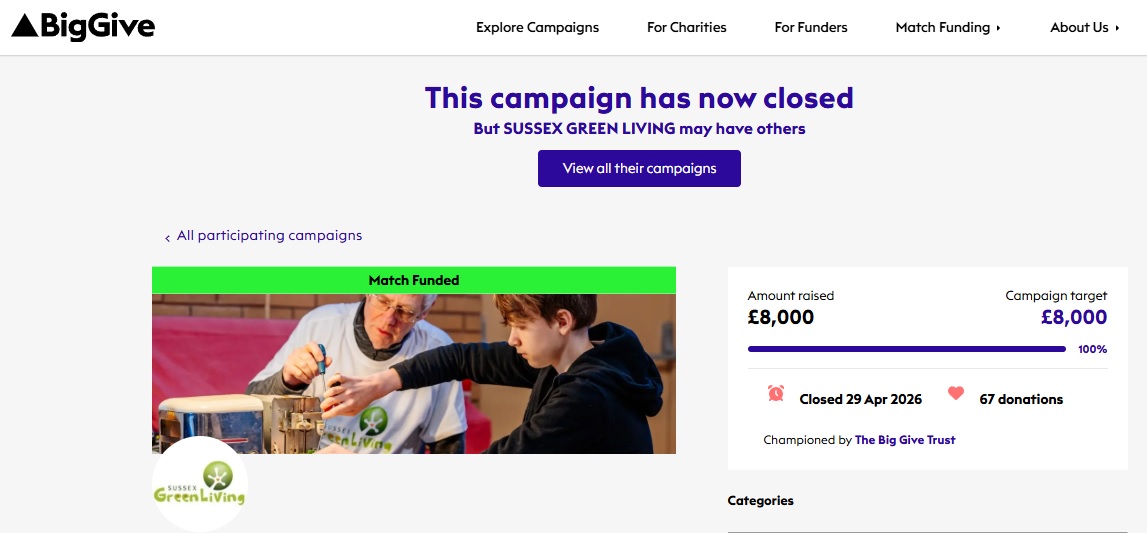
Following a competitive application process, Sussex Green Living has been selected to take part in the Big Give Earth Raise—a national match-funding campaign launching on Earth Day 22 April.
From noon Wednesday 22 April to noon Wednesday 29 April every donation made through the campaign will be matched, meaning a £50 donation becomes £100 to support the charity’s work across Sussex.
Run by Big Give, the campaign brings together philanthropists, foundations, and businesses to match public donations. Over the years, Big Give has raised approximately £427 million for thousands of charities. NOTE: 30th April – WE ACHIEVED OUR TARGET!
https://www.sussexgreenliving.org.uk/wp-content/uploads/2026/08/big-give.jpg5331147Marianne Lindfieldhttps://www.sussexgreenliving.org.uk/wp-content/uploads/2026/07/SGL-logo-masthead.pngMarianne Lindfield2026-04-16 09:30:162026-08-03 14:29:30Donations set to double in national campaign
As spring approaches, many of us feel the urge to refresh our homes, clear out clutter, and start anew. But this year, there’s an opportunity to make your spring clean go beyond your home—and benefit the planet too. By decluttering old and unused technology, you can help reduce environmental damage while raising funds for charity.
We all have them: forgotten mobile phones tucked away in drawers, outdated cameras gathering dust, or tangled chargers and gadgets hiding in cupboards. What may seem like harmless clutter actually represents a much bigger environmental issue. Your mobile phone alone contains precious, finite materials such as copper, lithium, cobalt, manganese, tungsten, and tellurium. These resources are extracted through mining processes that can lead to deforestation, habitat destruction, and significant carbon emissions.Read more
Before donating, it’s important to protect your personal data. Make sure to remove any SIM or memory cards and perform a factory reset on your device. This ensures your information remains secure while allowing your old tech to have a new purpose.
Removing Data From My Phone
Mobile phones are still worth a lot of money, even if they’re a few years old or have faults. But before you sell with a company like us you may be thinking how do I clear my iPhone before selling it?
Well you’ll want to know how to prepare your iPhone for trade in. We’ve provided a helpful step-by-step for this below.
https://www.sussexgreenliving.org.uk/wp-content/uploads/2026/04/R4C-03.03.26-b-1-scaled.jpeg25601920Marianne Lindfieldhttps://www.sussexgreenliving.org.uk/wp-content/uploads/2026/07/SGL-logo-masthead.pngMarianne Lindfield2026-04-09 16:31:582026-08-03 15:42:59Recycling Electricals – Remove Personal Data
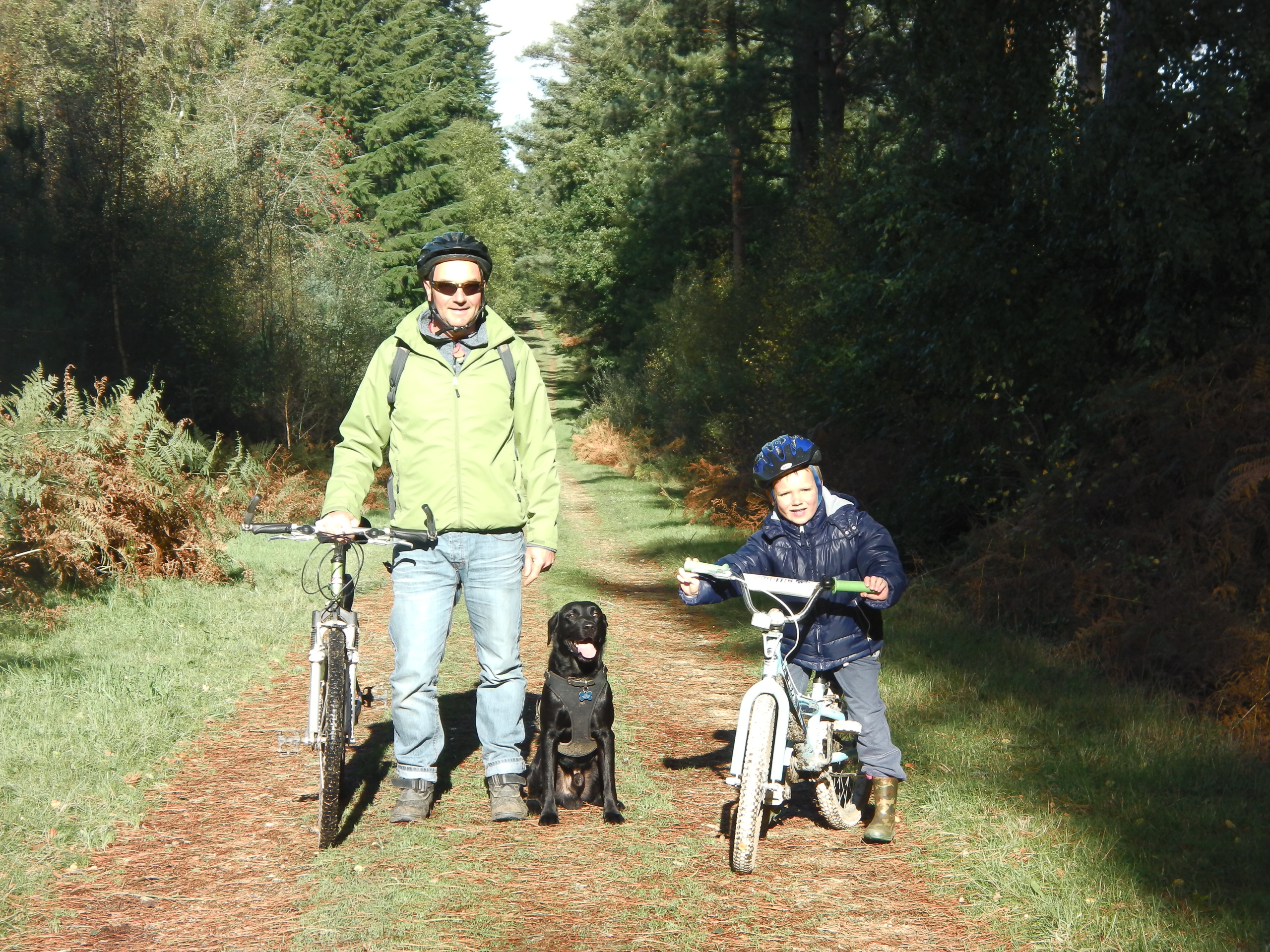
With bank holiday weekends coming up in April and May, this spring offers the perfect opportunity to rediscover what’s right on our doorstep – and to think a little differently about how we travel. Many of us will already have booked our summer holidays, but there’s growing pressure on airlines to be more transparent about the true environmental cost of flying.
From April 2027, airlines and travel agents will be required to display clear, standardised emissions figures at the point of booking, giving passengers the information they need to weigh up the environmental cost of their journey.
The news was welcomed by environment group CAGNE, which had been campaigning on the issue for over a decade. But a spokesperson said the warnings should be similar to those on cigarette packets – warning of the risks to the health of the planet – adding that people should have all the information so ‘they can then seek greener forms of transport whether that be a different airline or travel by train or not to fly’.
https://www.sussexgreenliving.org.uk/wp-content/uploads/2026/04/slow-travel-1-scaled.jpg19202560Marianne Lindfieldhttps://www.sussexgreenliving.org.uk/wp-content/uploads/2026/07/SGL-logo-masthead.pngMarianne Lindfield2026-04-02 10:43:042026-08-03 15:43:25Slow travel: Explore the gems on our doorstep this Bank Holiday
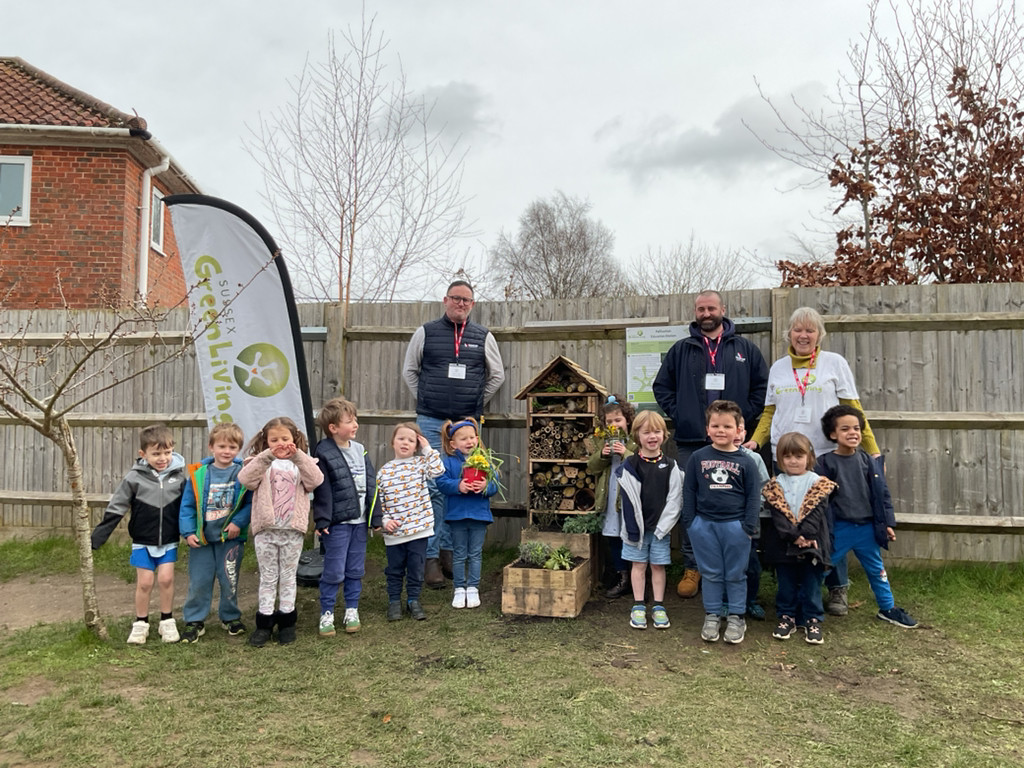
As part of their action for World Climate Day on 23rd March, Sussex Green Living partnered in a brand-new way with local business to extend regional nature recovery efforts.Last week proved to be a very exciting time for Thakeham Primary School, as pupils became the proud recipients of a brand-new outdoor learning area thanks to a collaboration between Sussex Green Living, local business Mountjoy, and a network of community partners working together for nature.
The project forms part of Sussex Green Living’s Pollination Education Station (PES) Trail, an initiative designed to improve food security, support pollinators and provide accessible environmental education. The trail is supported by the charity’s Green Business Network, which enables businesses to work alongside the charity, educate their staff about sustainability and use corporate volunteering days to take meaningful action for climate and nature.Read more
https://www.sussexgreenliving.org.uk/wp-content/uploads/2026/03/Thakeham.jpg7681024Marianne Lindfieldhttps://www.sussexgreenliving.org.uk/wp-content/uploads/2026/07/SGL-logo-masthead.pngMarianne Lindfield2026-03-31 17:57:502026-08-03 15:43:51Collaboration for Nature: Charity and Business Partnership Creates Outdoor Learning Space at Thakeham Primary School
It’s nearly Spring and our natural inclination is to clean up, tidy away and be ready for relaxing in the garden. It seems ‘natural’ to spray weeds and reach for quick-fix garden cleaners — but actually it’s not helpful to Nature!
If we think about the hidden life that quietly depends on those fallen leaves, last season’s stems, and the “untidy” parts of our gardens, we begin to realise that what looks like mess to us is lifeline to essential organisms.Read more
https://www.sussexgreenliving.org.uk/wp-content/uploads/2026/08/nature-asleep-3.jpg00Marianne Lindfieldhttps://www.sussexgreenliving.org.uk/wp-content/uploads/2026/07/SGL-logo-masthead.pngMarianne Lindfield2026-02-19 09:58:072026-08-03 15:21:05Nature is Still Sleeping
We may request cookies to be set on your device. We use cookies to let us know when you visit our websites, how you interact with us, to enrich your user experience, and to customize your relationship with our website.
Click on the different category headings to find out more. You can also change some of your preferences. Note that blocking some types of cookies may impact your experience on our websites and the services we are able to offer.
Essential Website Cookies
These cookies are strictly necessary to provide you with services available through our website and to use some of its features.
Because these cookies are strictly necessary to deliver the website, refusing them will have impact how our site functions. You always can block or delete cookies by changing your browser settings and force blocking all cookies on this website. But this will always prompt you to accept/refuse cookies when revisiting our site.
We fully respect if you want to refuse cookies but to avoid asking you again and again kindly allow us to store a cookie for that. You are free to opt out any time or opt in for other cookies to get a better experience. If you refuse cookies we will remove all set cookies in our domain.
We provide you with a list of stored cookies on your computer in our domain so you can check what we stored. Due to security reasons we are not able to show or modify cookies from other domains. You can check these in your browser security settings.
Other external services
We also use different external services like Google Webfonts, Google Maps, and external Video providers. Since these providers may collect personal data like your IP address we allow you to block them here. Please be aware that this might heavily reduce the functionality and appearance of our site. Changes will take effect once you reload the page.
Google Webfont Settings:
Google Map Settings:
Google reCaptcha Settings:
Vimeo and Youtube video embeds:
Privacy Policy
You can read about our cookies and privacy settings in detail on our Privacy Policy Page.



 Community in Henfield united to watch the People’s Emergency Briefing a public information film that clearly and honestly briefs the UK on the climate and nature crisis. Building on the landmark National Emergency Briefing (NEB) held in Westminster, the film features event footage with reactions from members of the public and some familiar faces. The film was shown in Henfield last Sunday and it’s designed to be followed by structured discussion, to allow people to process what they have heard and find ways to engage positively around local community solutions. It is not party political in any way but it is relevant to everyone.
 Sussex Green Living
 Following a competitive application process, Sussex Green Living has been selected to take part in the Big Give Earth Raise—a national match-funding campaign launching on Earth Day 22 April.
 As spring approaches, many of us feel the urge to refresh our homes, clear out clutter, and start anew. But this year, there’s an opportunity to make your spring clean go beyond your home—and benefit the planet too. By decluttering old and unused technology, you can help reduce environmental damage while raising funds for charity.
 By decluttering old and unused technology, you can help reduce environmental damage while raising funds for charity.
 With bank holiday weekends coming up in April and May, this spring offers the perfect opportunity to rediscover what’s right on our doorstep – and to think a little differently about how we travel. Many of us will already have booked our summer holidays, but there’s growing pressure on airlines to be more transparent about the true environmental cost of flying.
  Sussex Green Living
 As part of their action for World Climate Day on 23

 Community Wellbeing Garden
 Sussex Green Living
 Sussex Green Living
 Biffa
Biffa