
 Gergo
GergoNature is Still Sleeping
By Elle Runton
It’s nearly Spring and our natural inclination is to clean up, tidy away and be ready for relaxing in the garden. It seems ‘natural’ to spray weeds and reach for quick-fix garden cleaners — but actually it’s not helpful to Nature!
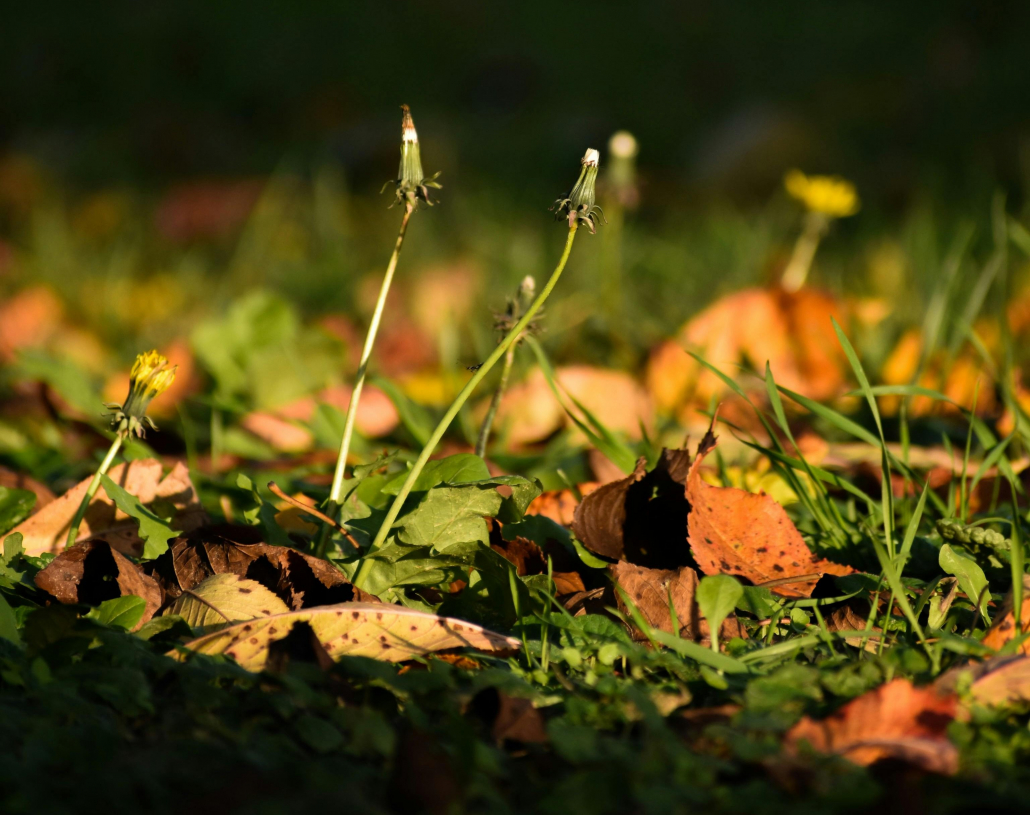
If we think about the hidden life that quietly depends on those fallen leaves, last season’s stems, and the “untidy” parts of our gardens, we begin to realise that what looks like mess to us is lifeline to essential organisms.
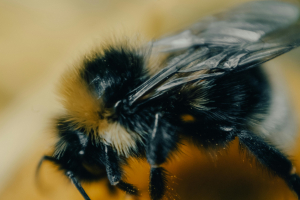
Queen bumblebees dig holes in the soil to hibernate
Did you know the UK has over 1,500 pollinator species? Not just bees, wasps, flies, butterflies, moths and beetles that move pollen from flower to flower. Of these, queen bumblebees hibernate over winter and often “sleep in” through February into March, emerging to seek nectar from early bloomers like crocus. Some solitary bees and early honeybees may also awaken on warm winter days, but most pollinators are still dormant until early spring.
Natural debris — leaves, twigs, seed heads — isn’t waste. It acts as habitat, food, insulation, and a nursery for wildlife through the harsh months. Beneath a layer of leaves, insects find shelter from frost, small mammals forage and nest, and bumblebee queens burrow for winter survival. Many moth and butterfly species rely on leaf litter to complete key stages of their life cycle, and birds return in spring to feed on those insects that overwintered safely because we didn’t clear their homes.
Those leaves and other natural detritus also play a vital role in creating healthy soil. They decompose, feed essential microbes and fungi that keep soil fertile, structure intact, and moisture balanced, reducing the need for synthetic fertilizers or irrigation. You probably know that leaf litter acts as a free, natural mulch that protects plant roots from temperature extremes in winter and suppresses weeds.
Using toxic weed killers and pesticides doesn’t just kill unwanted plants, they can harm beneficial organisms, pollinators, disrupt soil life, making their way into water systems, threatening aquatic life and reducing biodiversity. Weedkiller chemicals like glyphosate can persist in soil, kill microbes that are essential for healthy plants growth and impact the Sussex wildlife that depends on a rich, living soil ecosystem. Medical research shows that many of these ‘everyday’ garden-go-to products have been linked to cancer, heart, respiratory and neurological diseases. It makes you wonder how they can be allowed to be sold.
We don’t have to live in chaos. Thoughtful management — leaving leaves where they benefit wildlife, piling them under hedges, or at the back of borders, and avoiding chemical sprays — helps our gardens stay vibrant and resilient through the year, even through rough weather.
Letting nature take its course, at least for a season, is not laziness. It’s about care, and respect for the web of life that connects our green spaces with the wider environment. It’s a more peaceful way to watch Spring arrive with a chorus of life that would otherwise struggle without the quiet shelter we gave it. Living in harmony with nature brings a sense of calm and happiness and it seems we all need that today.
First published in West Sussex County Times: Sussex Green Living: Nature is still sleeping
For more tips on untidy gardens read our previous article: https://www.sussexgreenliving.org.uk/delay-your-big-garden-tidy-up-nature-needs-the-mess/