
How growing your own food benefits health, wallet and environment
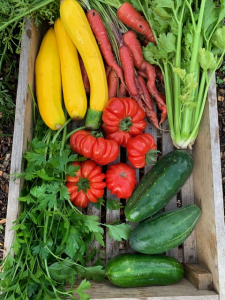
There is something very satisfying about growing your own food whether it’s from seeds or from seedlings bought from a garden centre. Both rewarding and sustainable, it also connects us with the rhythms of nature and can save money. It can also be a little challenging or frustrating at times, but this makes the reward of harvesting, cooking and eating your home grown produce all the more gratifying and much tastier than supermarket vegetables.
To start with, you really need the right location. Most vegetables require at least 6 hours of direct sunlight each day to grow properly. Without this, seedlings will become tall and spindly or ‘leggy’ and susceptible to disease. Good drainage is also essential. Over-watering can cause seedlings to rot or ‘damp off.’ Shelter from strong winds is also important, when growing delicate plants outside.
Healthy soil is the foundation of productive vegetable growing. If you have the space, you can make your own compost from garden waste and vegetable scraps, otherwise buy a good peat free compost from your local garden centre.
You might already have your plant pots, or you could recycle any plastic container such as empty yoghurt pots or washed takeaway food trays. Remember to make several drainage holes in the base of recycled containers and put them in a waterproof tray or saucer so that water does not leak out all over your windowsill!
Choose you seeds carefully. Some easy to grow beginner vegetables are lettuce, radish, runner beans, broad beans and courgettes. Potatoes can be grown in bags on a patio, if you don’t have a vegetable plot or an allotment. You can use leftover potatoes that have started to sprout or buy fresh seed potatoes from the garden centre. Onions are also easy to grow from setts, just pushed into the soil.
Follow the planting instructions on your seed packets for depth and spacing, water well, but do not over water and keep an eye out for pests and diseases.
If you don’t have the luxury of a greenhouse, seedling plants can be stared off on a windowsill or in a conservatory. They will need warm and enough water to germinate and sunlight once the plants are growing.
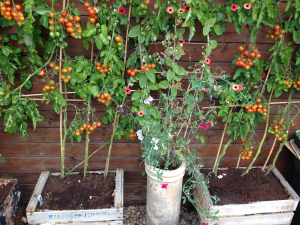
Grow your own veggies
As the weather warms up, usually by the middle of May, your plants can go outside in a sunny, sheltered position.
Pick your vegetables when they are young and tender for the best flavour. Regular harvesting often encourages plants to produce more.
Growing your own vegetables is more than just producing food. It is a mindful, therapeutic activity. It reduces food miles, supports biodiversity and gives a sense of achievement. Even a few pots of herbs on a balcony or windowsill, can transform your cooking and your connection to what you eat.
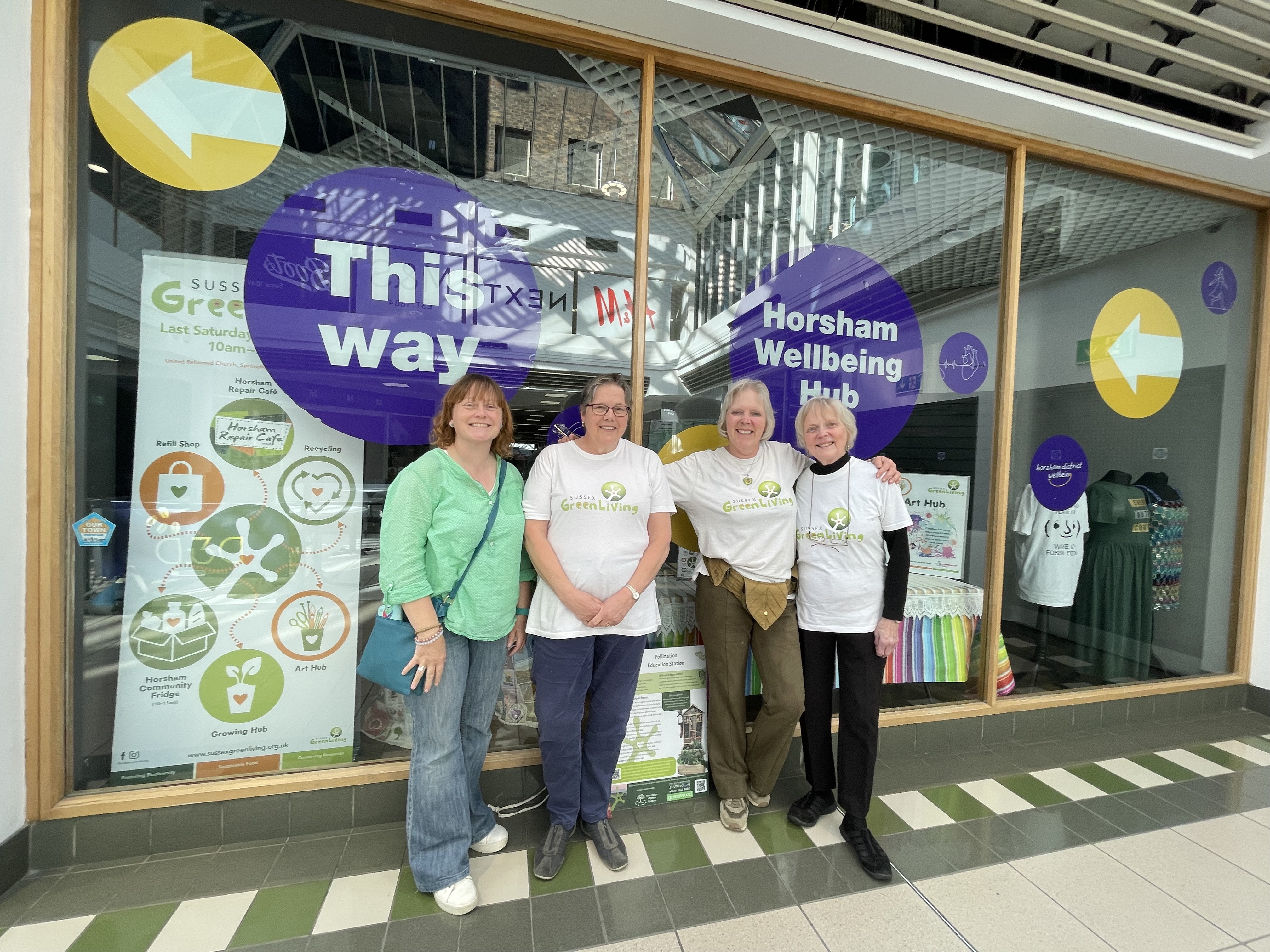
How about marking National Gardening Week with giving a go at growing your own food? If you are tempted, you will find everything you need at the Growing Hub held every last Saturday of the month as part of the Sussex Green Hub. You will have free access to pots, soil, seeds and gardening guidance.
For more information: www.sussexgreenliving.org.uk/sussex-green-hub/
By Geoff Hunt
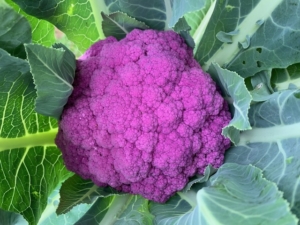
Purple Cauliflower grown by Geoff Hunt
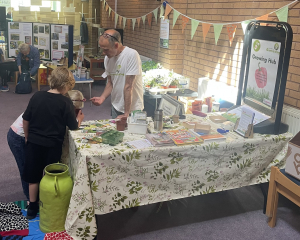
Growing Hub


 Geoff Hunt
 Sussex Green Living

 Sussex Green Living