Swap, don’t shop: Find fun ways to refresh your festive wardrobe the sustainable way
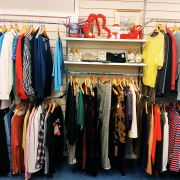
Christmas is a time of joy but also a time of overspending and overconsumption. But this year could be different, starting with your wardrobe. What if this festive season, you bought nothing new to wear?
Before you panic about party season, hear me out. The fashion industry produces 100 billion garments annually, yet we wear items an average of just seven times before discarding them according to The Ellen MacArthur Foundation. Meanwhile, recycling that glittery party dress isn’t the solution we imagine – mixed fabrics are virtually impossible to separate and recycle effectively.
 Brighton Socks
 by Amanda Law,

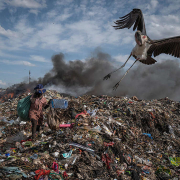


 The fashion industry is responsible for 10% of annual global carbon emissions, and 20% of global waste water. In the UK we buy more clothes per person than any other country in Europe and an estimated £140 million worth goes to landfill every year. Simple changes to how we buy and dispose of our clothing can have a huge impact on both the planet and also save us money.
 At Sussex Green Living we often talk about our outreach with families, in the villages, in schools and with the Youth Eco Forum. What people may not realise is that we also run community sessions with the elderly. Morag and I went along to the Kings Court Care Home in January this year, taking the Horsham Cape of Good Hopes along with us.
 Last month London Fashion week was held. There’ll be another in June.
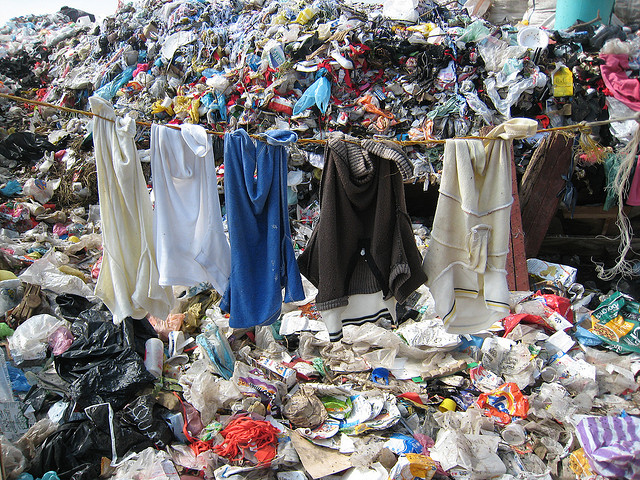



 During the first half of 2019 Sussex Green Living and the Horsham Repair Cafe are out and about, inpiring people to ‘make do and mend’, remake, repair, repatch and basically love the clothes and materials around them. Come and learn long lost skills of sewing, patches, repairing buttons, clothes etc. Learn about fast fashion and the damage it is causing our planet, solutions, ways of saving money and the planet……
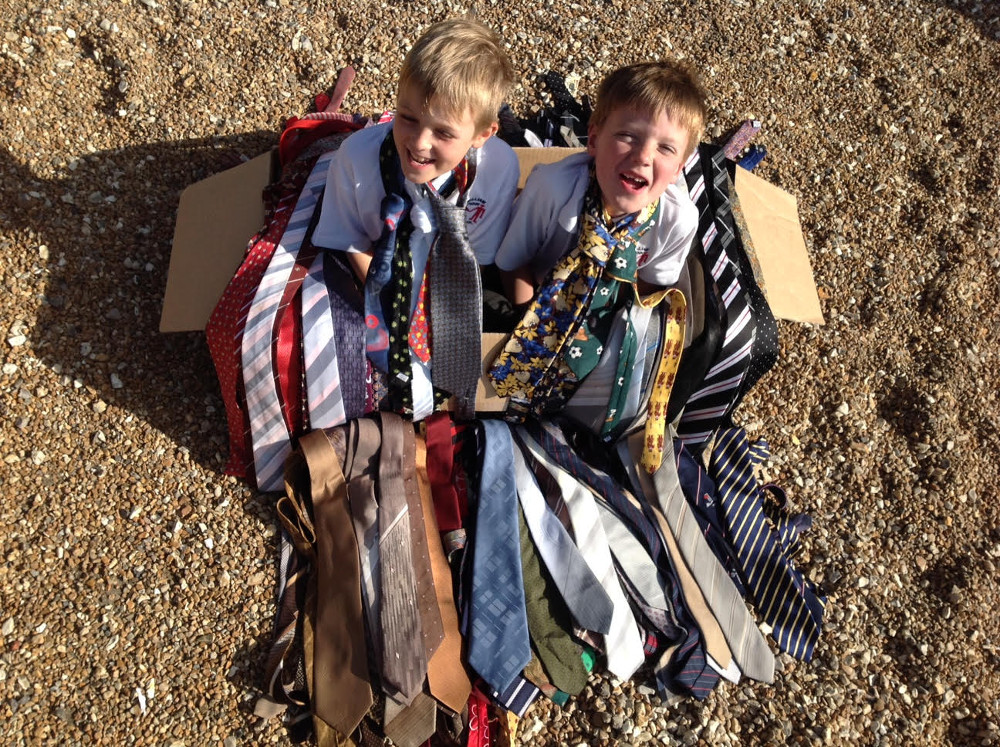
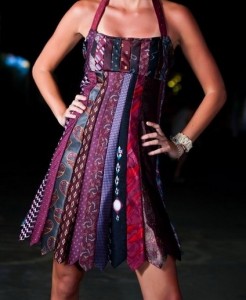 Neckties are a bit of an environmental nightmare, novelty ties get bought for people who might use them once or twice, charity shops don’t want them as they don’t sell well and if sent for recycling they often get caught up in the recycling machinery and cause expensive damage. Upcycling, remaking and reuse is best!